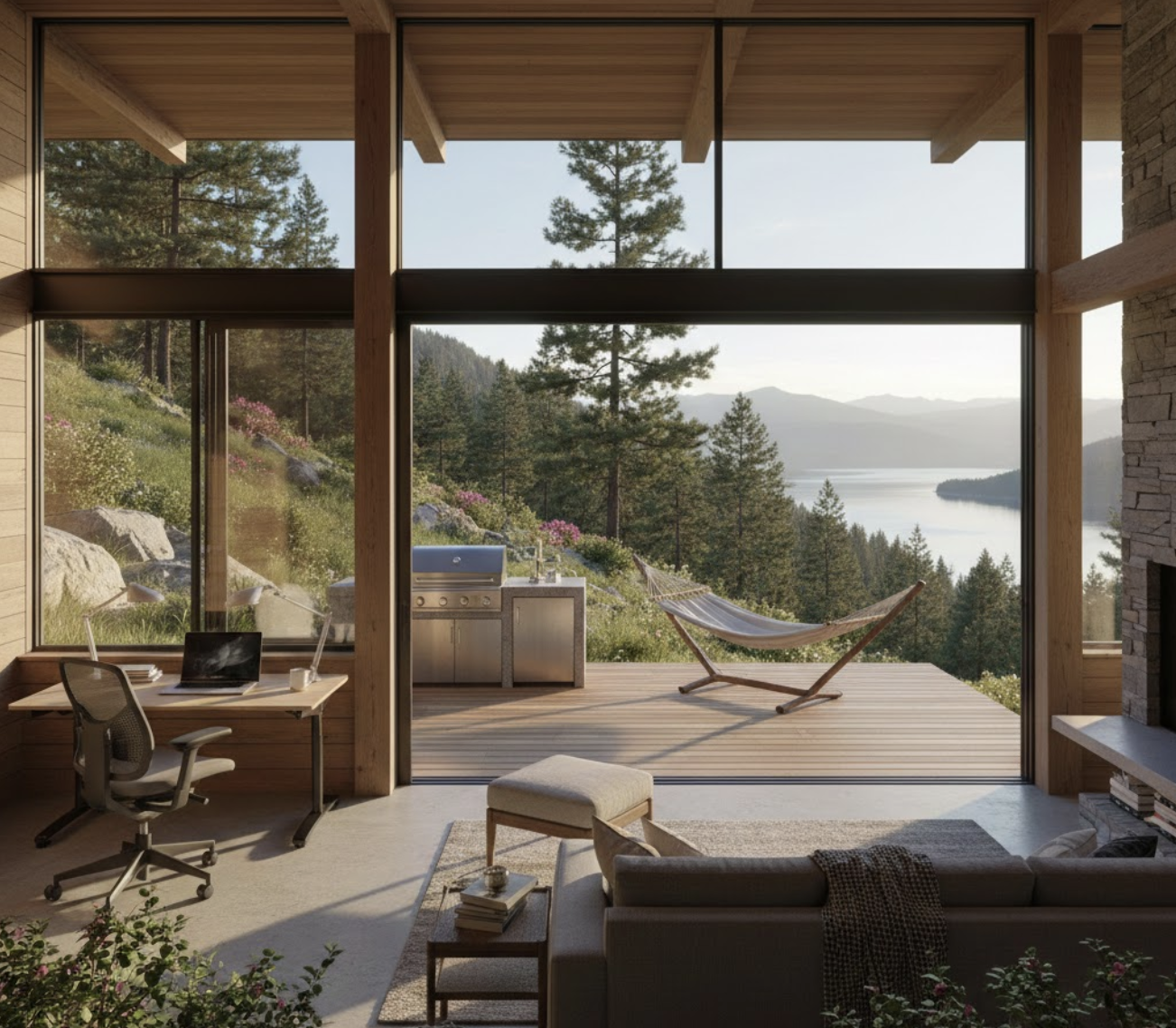
The way we live—and work—has changed forever. As remote work and flexible schedules become the norm, more people are looking beyond traditional homes and choosing to invest in work-from-retreat homes. These are hybrid spaces where professional productivity meets the calm, restorative energy of a vacation setting.
Whether tucked into a forest, perched on a hillside, or overlooking the sea, a retreat home designed for hybrid living allows you to work efficiently while feeling like you’re on holiday every day.
Here’s how thoughtful architecture and smart planning can create the perfect balance.
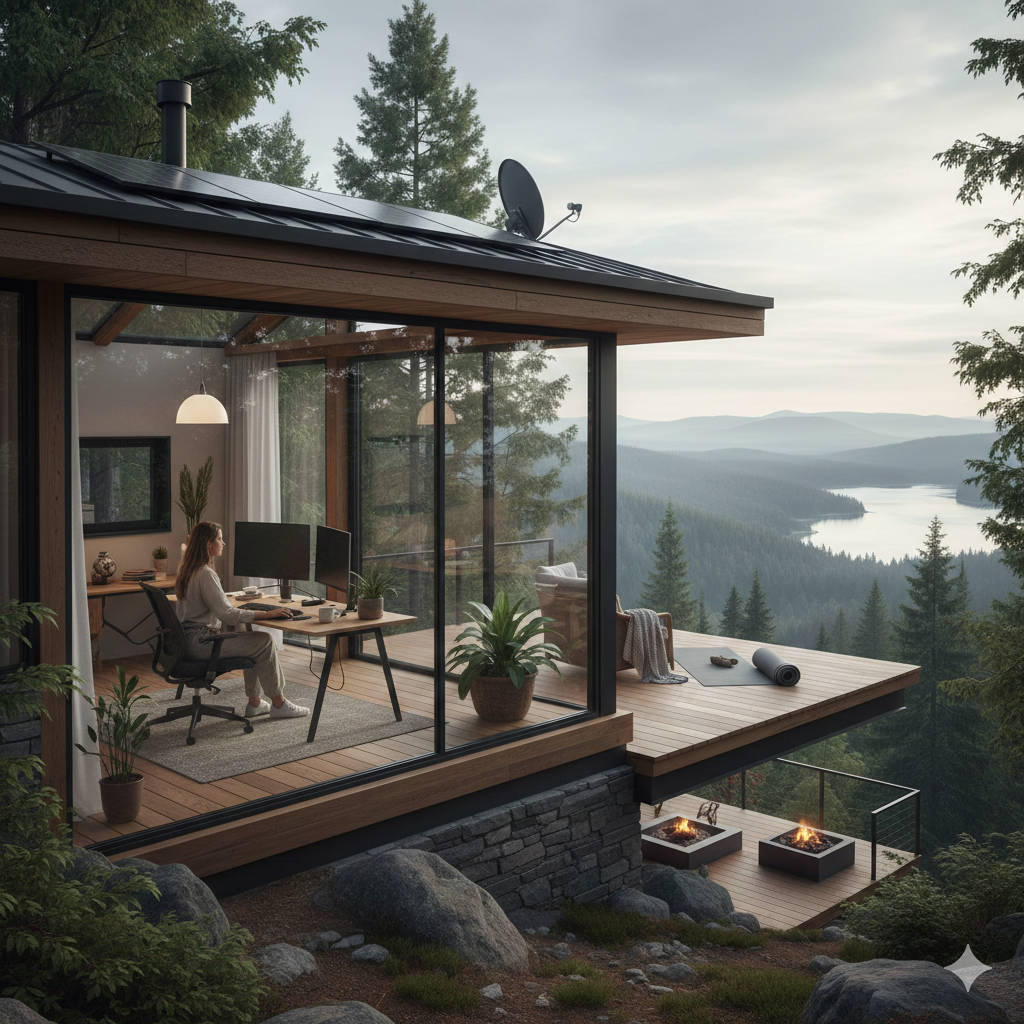
1. Hybrid Living: Why Retreat Homes Are Rising in Demand
People are increasingly seeking homes that support:
• Flexible professional routines
• A healthier work-life balance
• Nature-connected lifestyles
• Mental well-being and reduced stress
• The ability to escape urban chaos without sacrificing productivity
A retreat home becomes both a sanctuary and a workspace—supporting deep focus, creativity, and relaxation.
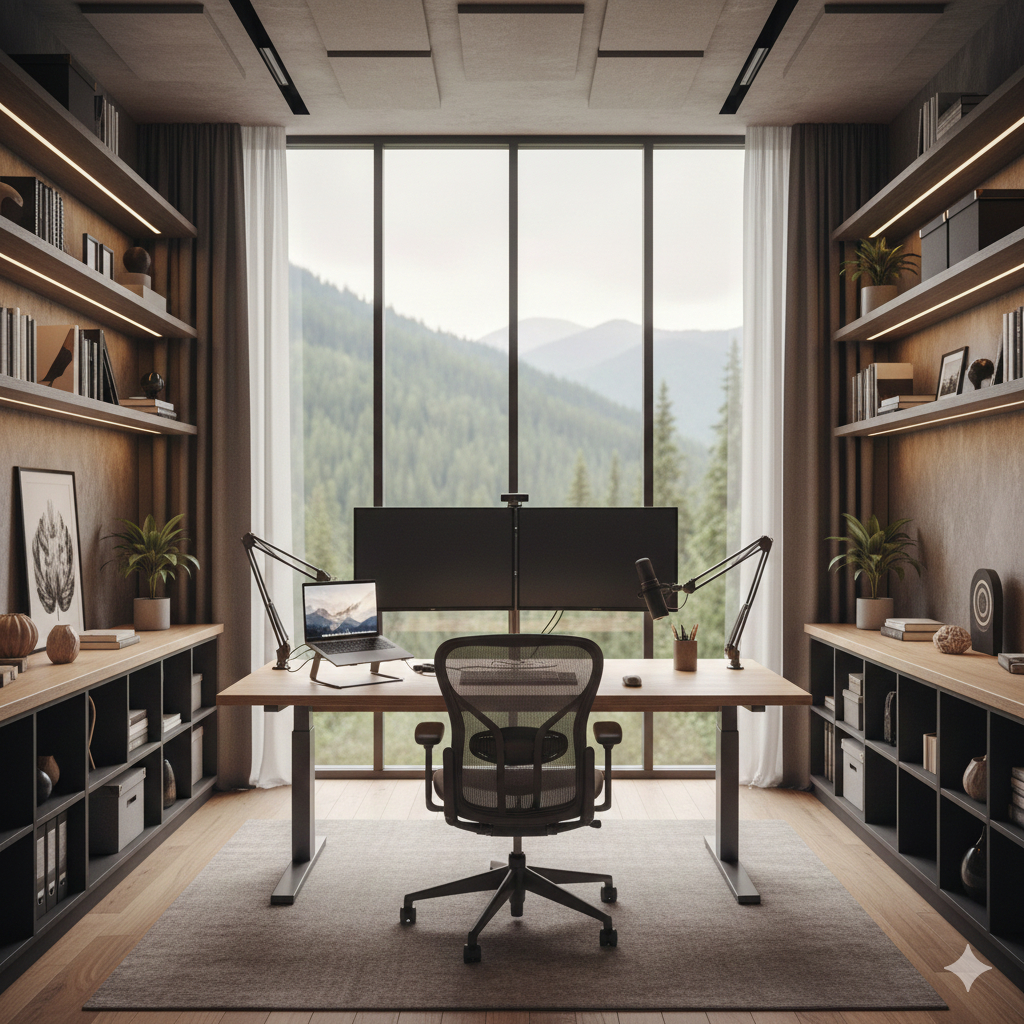
2. A Dedicated Workspace Is Non-Negotiable
In a hybrid living setup, your workspace must be purpose-built—not improvised.
Key Design Elements:
• A private room or studio with acoustic separation
• Large windows for natural light
• An ergonomic desk setup
• Built-in shelving and concealed storage
• High-quality task lighting
• Room acoustics optimized for video calls
A well-designed workspace boosts concentration and reduces fatigue.
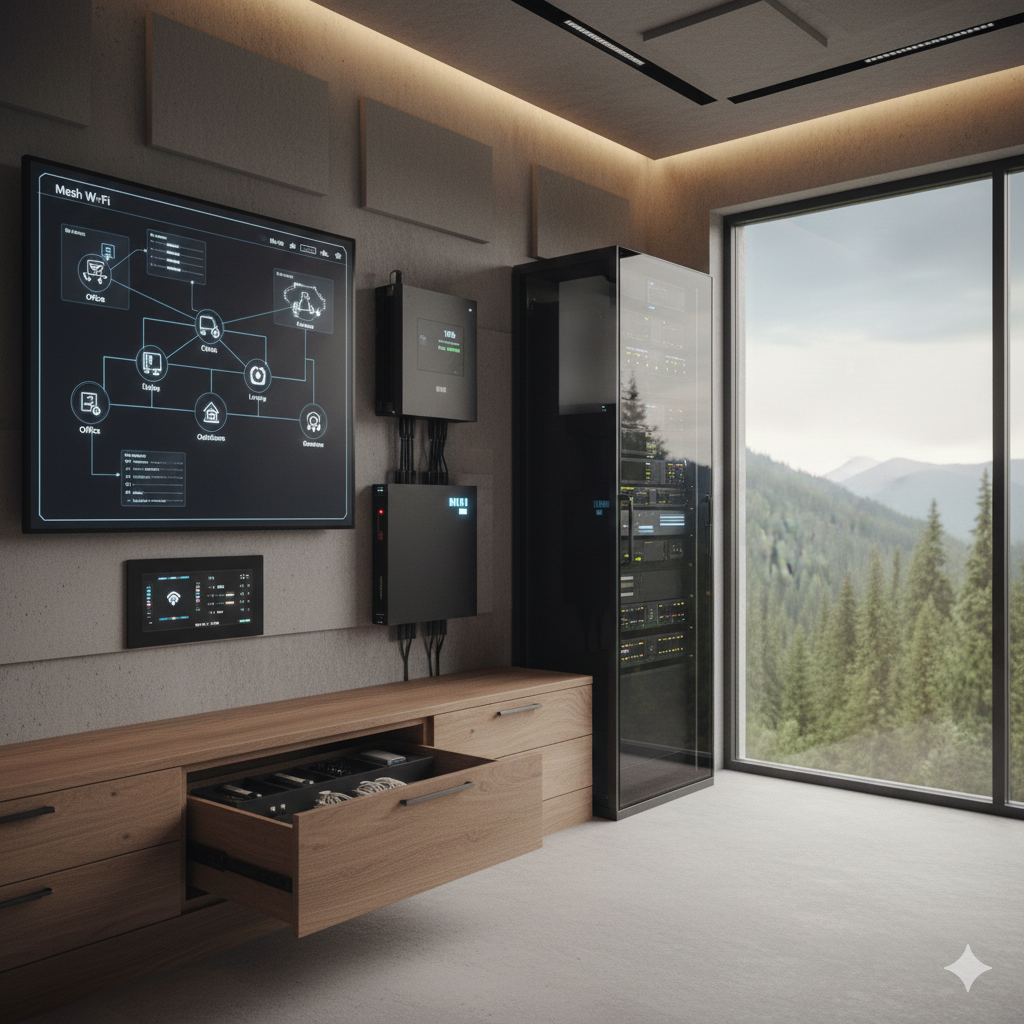
3. Prioritize Connectivity and Tech Infrastructure
A retreat home is only as functional as its digital backbone.
Must-Have Features:
• High-speed internet (fiber, satellite, or hybrid systems)
• Mesh Wi-Fi across indoor and outdoor zones
• Sound-insulated walls
• Smart home automation (lighting, climate, curtains)
• Backup power (solar + inverter or generator)
• Dedicated charging stations and cable management
This ensures seamless work, even in remote areas.
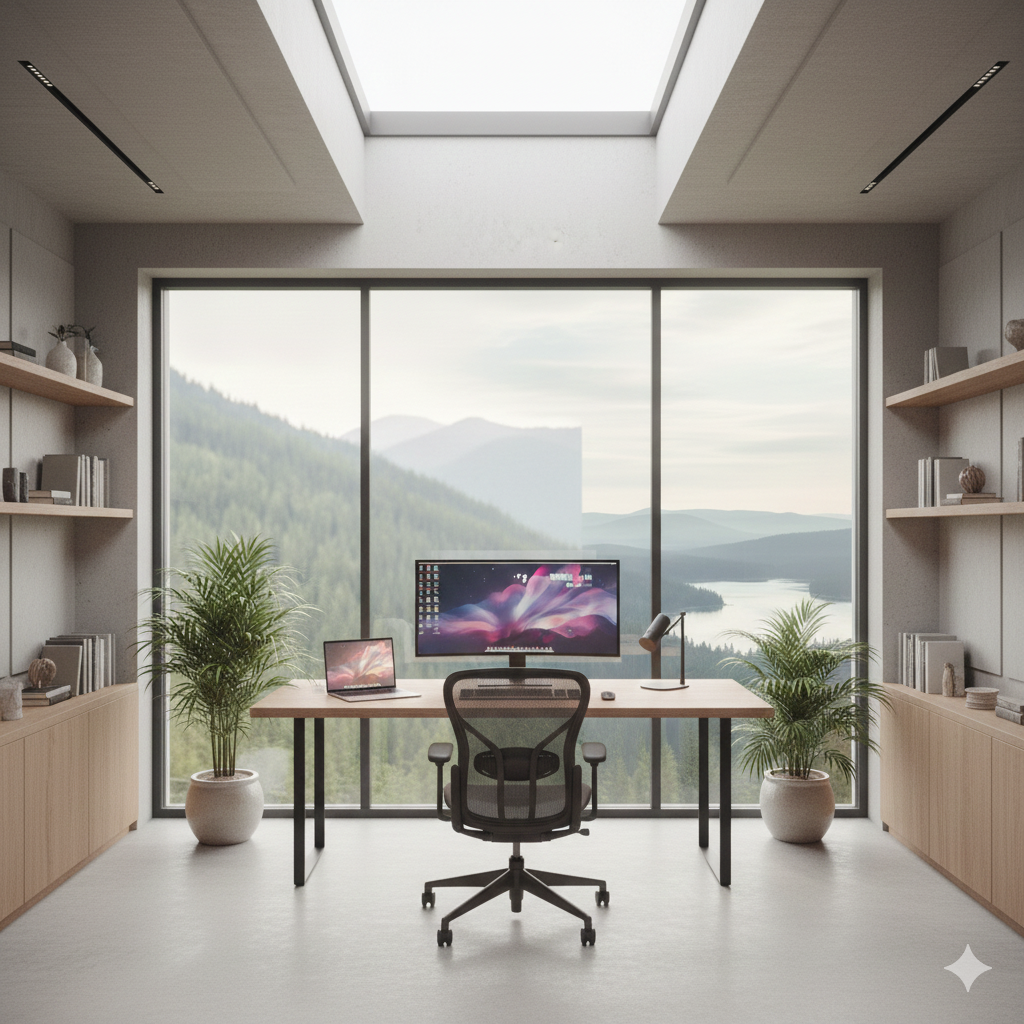
4. Natural Light and Landscape Views Enhance Creativity
Nature is scientifically proven to increase focus and reduce stress.
Design Tips:
• Position workspaces toward scenic views—mountains, water, or greenery
• Use skylights or clerestory windows
• Incorporate indoor plants
• Use light-reflective surfaces and calming color palettes
Your workspace becomes a place that stimulates creativity instead of draining it.
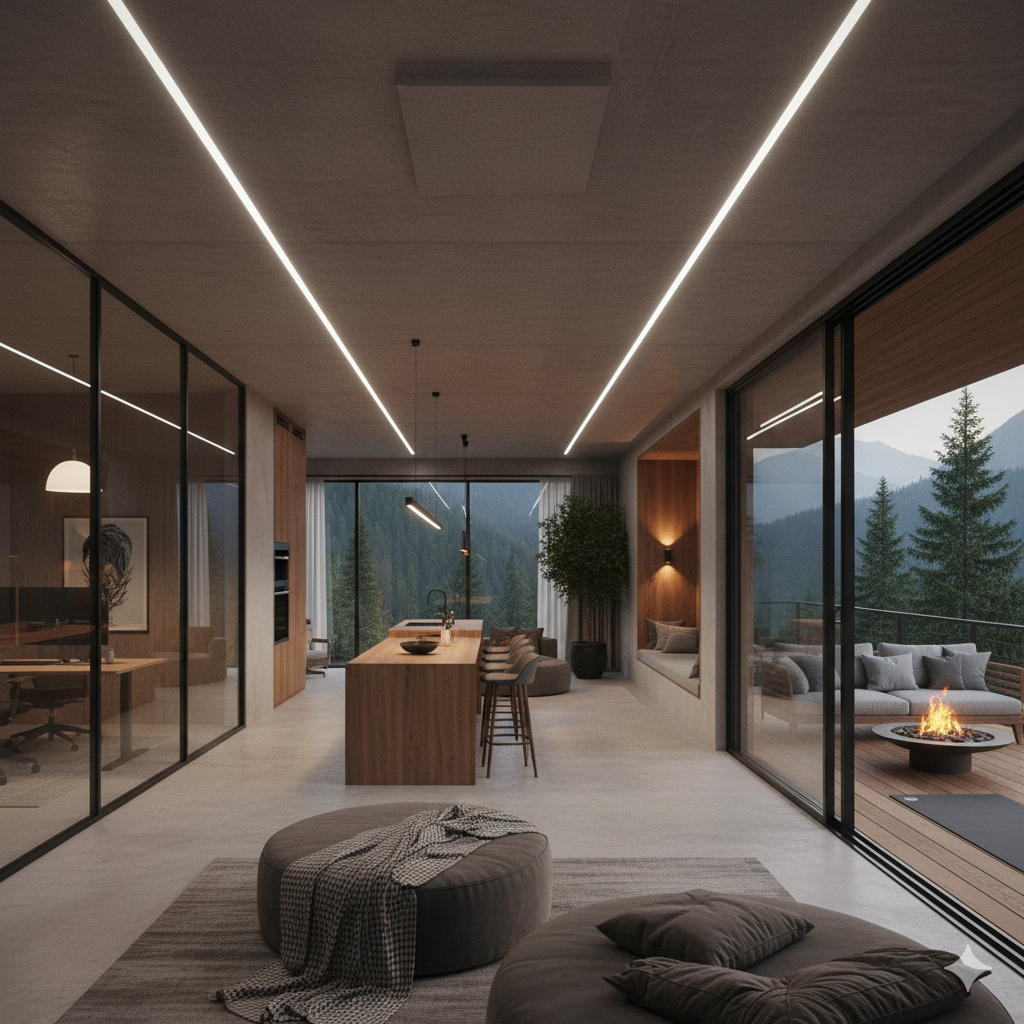
5. Zoning: The Secret to Hybrid Living Success
To balance work and retreat life, allow spaces to shift effortlessly between the two.
Effective Zoning Strategies:
• Work Zone: Isolated, quiet, tech-ready
• Recharge Zone: Reading nooks, terraces, spa bathrooms
• Social Zone: Open-plan kitchen, living, and dining
• Outdoor Zone: Decks, pools, gardens, fire lounges
Clear zoning encourages healthy boundaries between focus time and downtime.
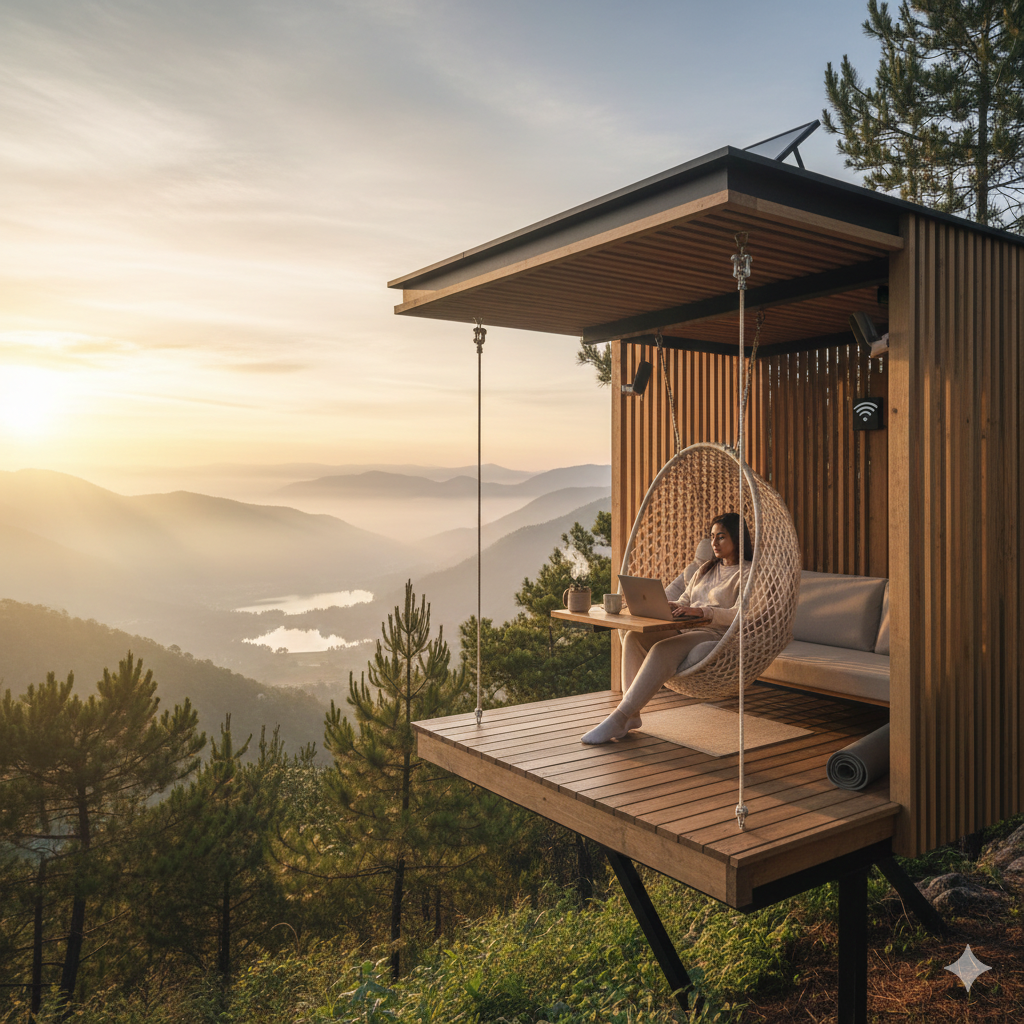
6. Create Outdoor Work Pods and Nature-Based Workspaces
Many hybrid workers enjoy stepping away from traditional desks.
Ideas Include:
• Covered outdoor workstations
• Screened verandas designed for laptop use
• Swing chairs or daybeds with side tables
• Garden pavilions or pergolas with Wi-Fi coverage
• Rooftop terraces designed as sunrise-or-sunset work spots
These spaces turn nature into a productivity tool.
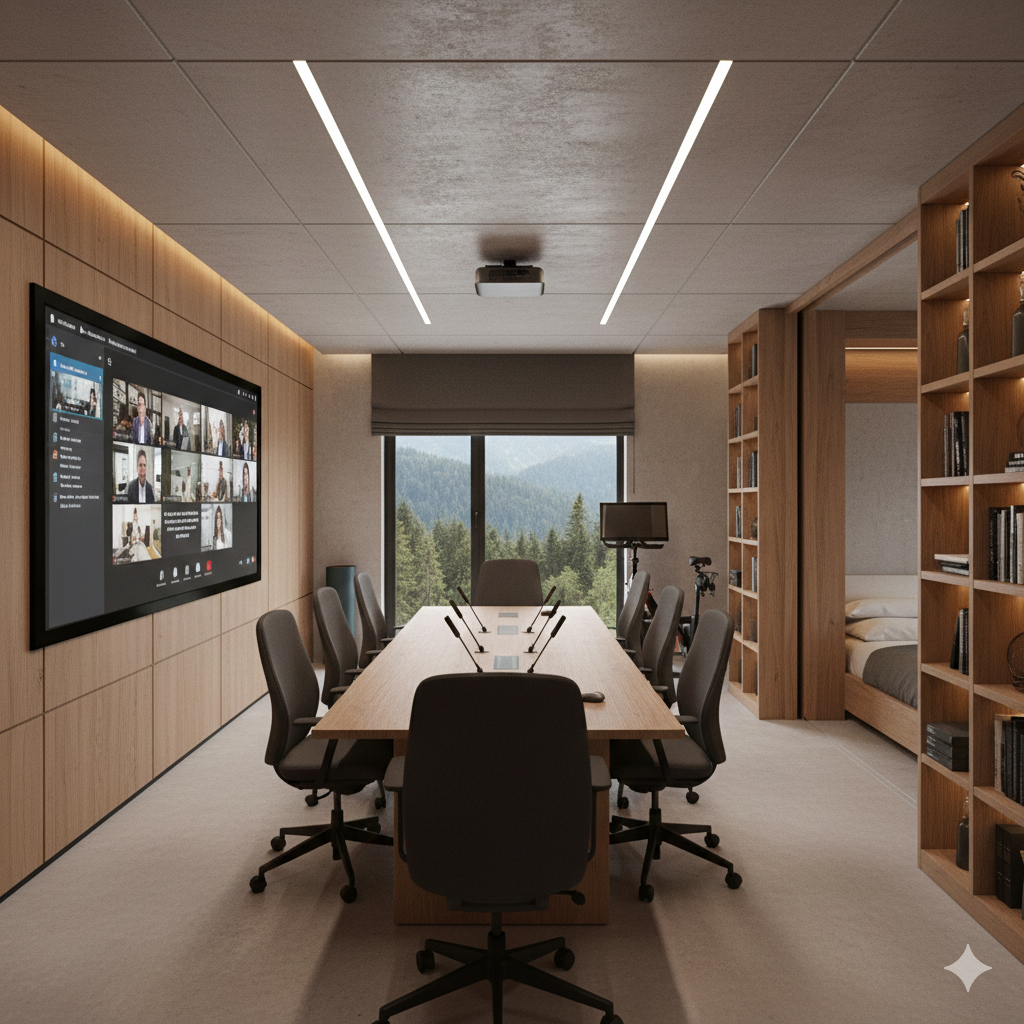
7. Multi-Purpose Rooms Add Long-Term Flexibility
Hybrid living requires adaptable spaces that evolve with your needs.
Smart Multi-Use Spaces:
• A media room that doubles as a conference room
• A guest bedroom that transforms into a study
• A gym with space for occasional work calls
• A library that converts to a quiet workspace
Flexibility ensures your home remains functional and future-proof.
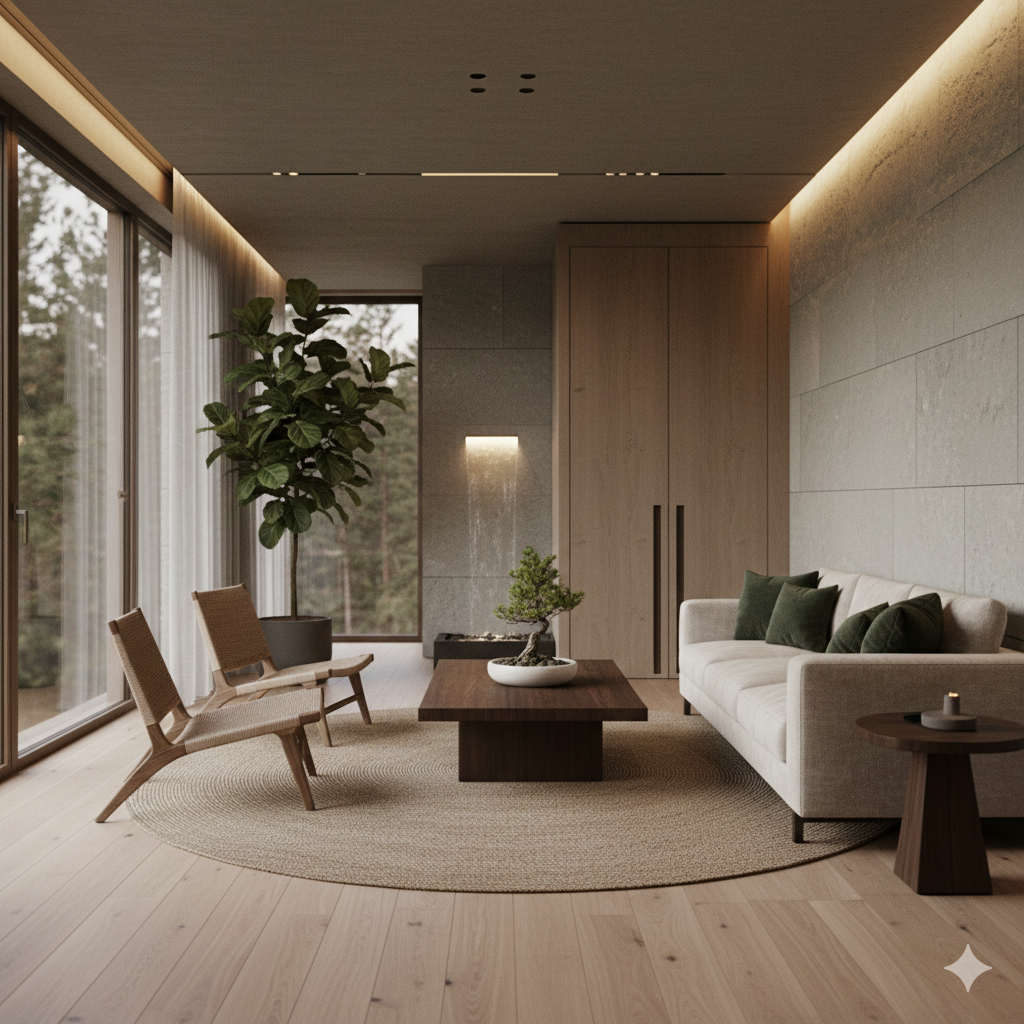
8. Retreat-Inspired Interiors Reduce Stress
The best work-from-retreat homes feel like resorts inside.
Interior Strategies for Calm Living:
• Earthy tones and organic textures
• Minimalist furniture with clean lines
• Soft natural fabrics
• Biophilic elements (wood, stone, plants, water features)
• Decluttered surfaces and hidden storage
When your environment feels soothing, your work feels less demanding.
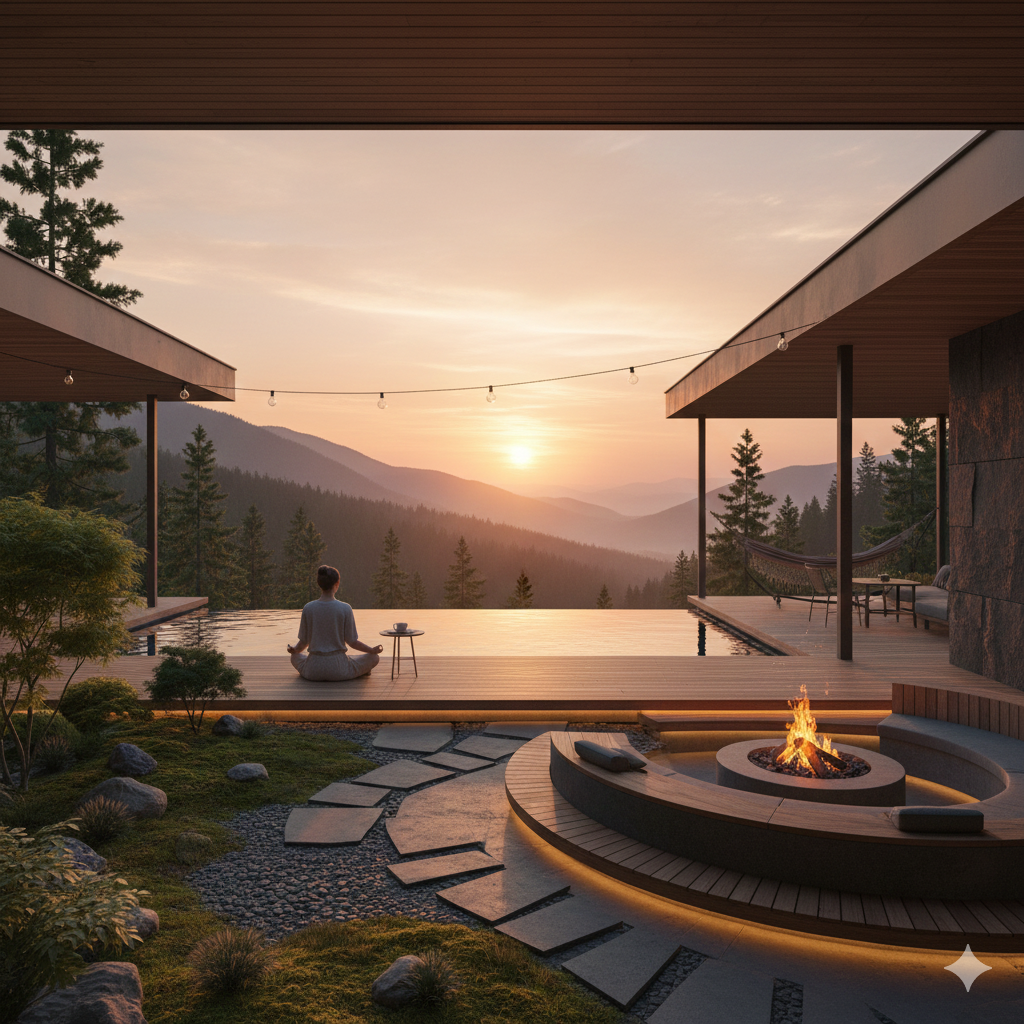
9. Outdoor Living Enhances Work-Life Balance
Stepping outside between work sessions helps reset your mind.
Outdoor Spaces to Include:
• Morning decks for coffee rituals
• Hammock or lounge areas
• Infinity or plunge pools
• Meditation gardens
• Firepits for evening unwinding
Outdoor living becomes part of your daily rhythm.
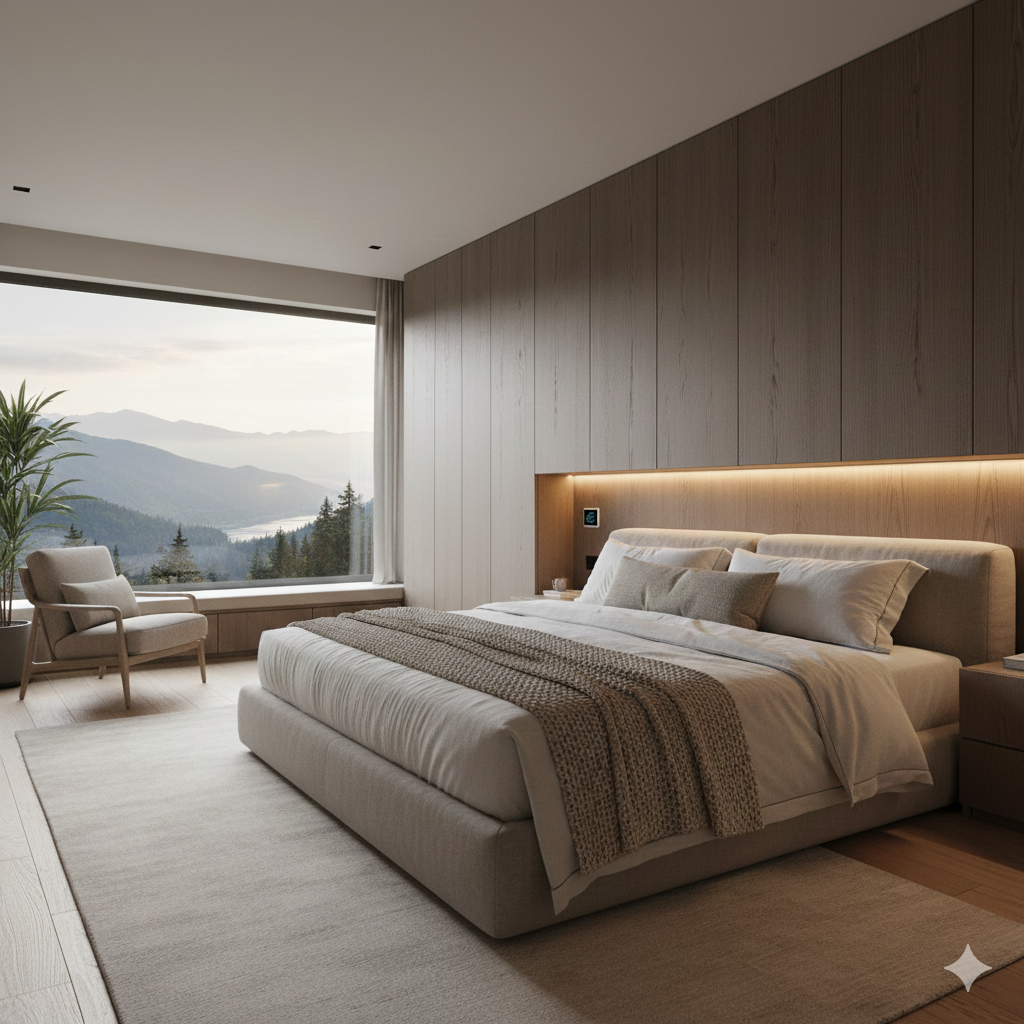
10. Long-Stay Comfort Matters
Because hybrid workers often stay for weeks or months, retreat homes must support long-term living.
Essentials Include:
• A fully equipped kitchen
• Ample wardrobe and storage space
• Laundry areas
• High-quality mattresses
• Climate control suitable for all seasons
• Durable, low-maintenance materials
Comfort extends productivity—and makes the home truly livable.
Work-from-retreat homes represent a shift in lifestyle values. People now want environments that nurture well-being, elevate focus, and bring them closer to nature—all while supporting modern careers.
By blending smart technology, thoughtful architecture, and resort-inspired design, you can create a home where work feels effortless, and life feels extraordinary.
A place where productivity and peace coexist.
A home that supports your ambition—and your soul.
Now, if You are Interested in building your dream luxury home & if you want to know how is it possible to do it In the most efficient way while having your interests at the forefront, You can click the button below and book a Free Design Strategy Consultation Call to Start your journey towards luxury ownership!

Written by:
Niti Bhabhera
This is a short author bio. You can add information about the author here to help readers learn more about the person behind the content.
Take the first step to develop your dream home!
We process your personal data as stated in our Privacy Policy. You may unsubscribe by clicking the unsubscribe link at the bottom of any of our emails.
© Rhythm Designs LLP. All Rights Reserved