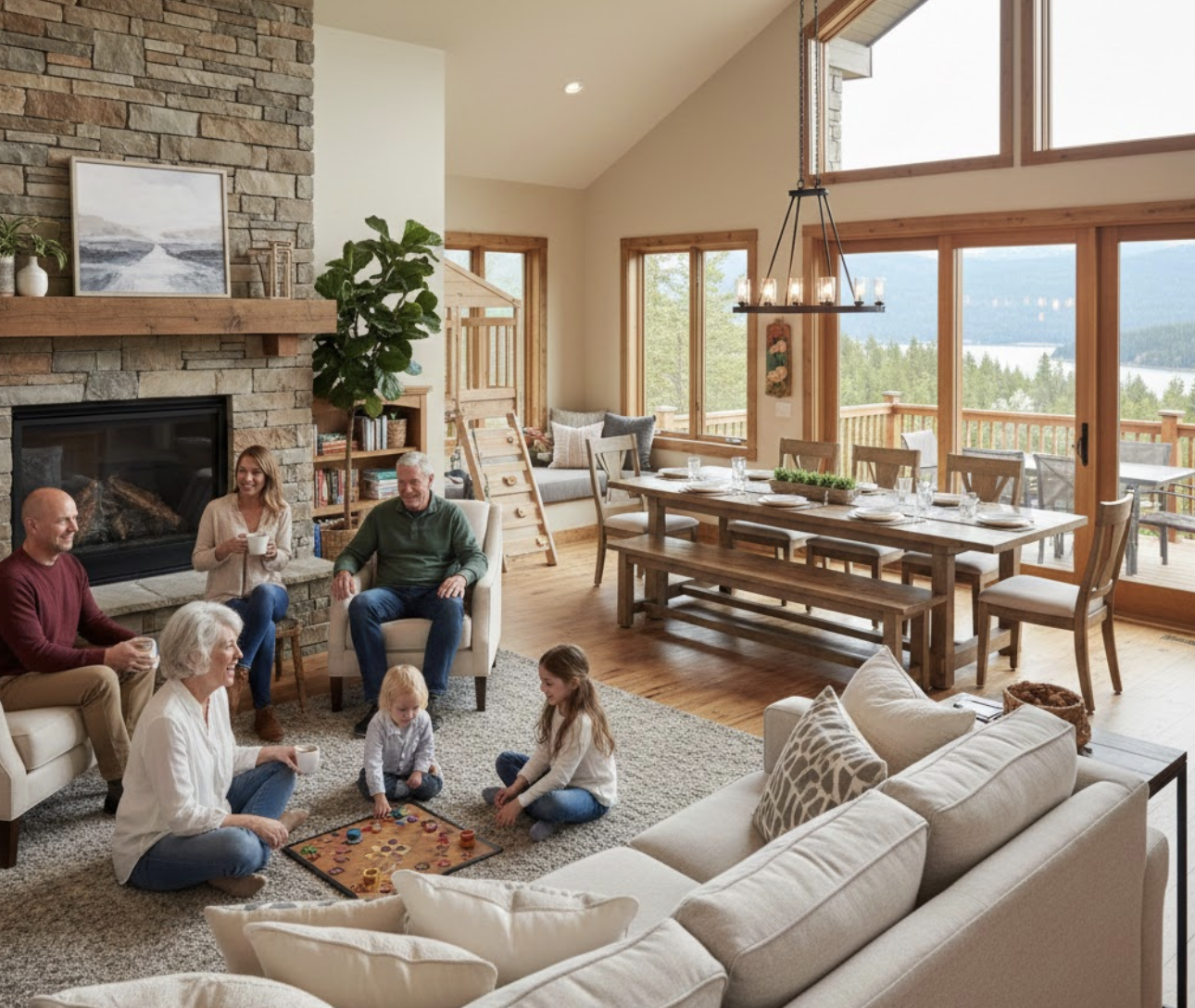
Family vacations are no longer limited to parents and kids—more families today travel with grandparents, adult children, in-laws, and even close friends who feel like family. This trend has made multi-generational vacation homes one of the most sought-after categories in luxury real estate.
Designing a home where everyone feels comfortable, connected, and cared for requires thoughtful architecture. The goal is to create a space that feels inclusive, functional, and enjoyable for all ages—from toddlers to seniors.
Here’s how to design a vacation home that becomes a timeless gathering place for generations.
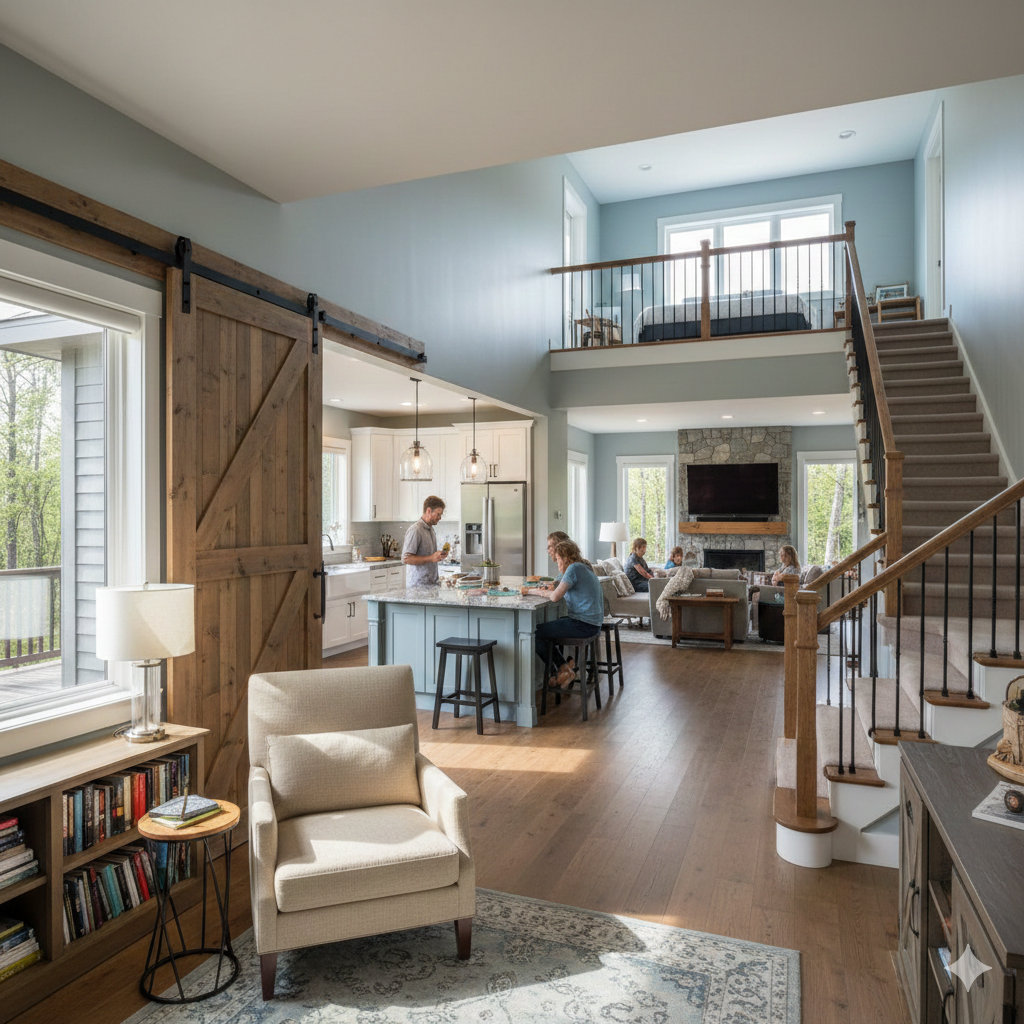
1. Start With a Flexible Floor Plan
A multi-generation home must support different routines, sleep cycles, and comfort needs.
Key Design Strategies:
• Zoned layouts: Separate quiet areas (bedrooms, reading lounges) from active zones (kitchen, living room, game room).
• Multiple living spaces: Include at least two lounges or family rooms so groups can spread out.
• Convertible spaces: Media rooms, lofts, or dens that transform into sleeping areas for guests.
• Privacy pockets: Thoughtfully placed nooks for coffee, reading, or conversation.
A flexible plan prevents the house from feeling crowded—even with a full family in residence.
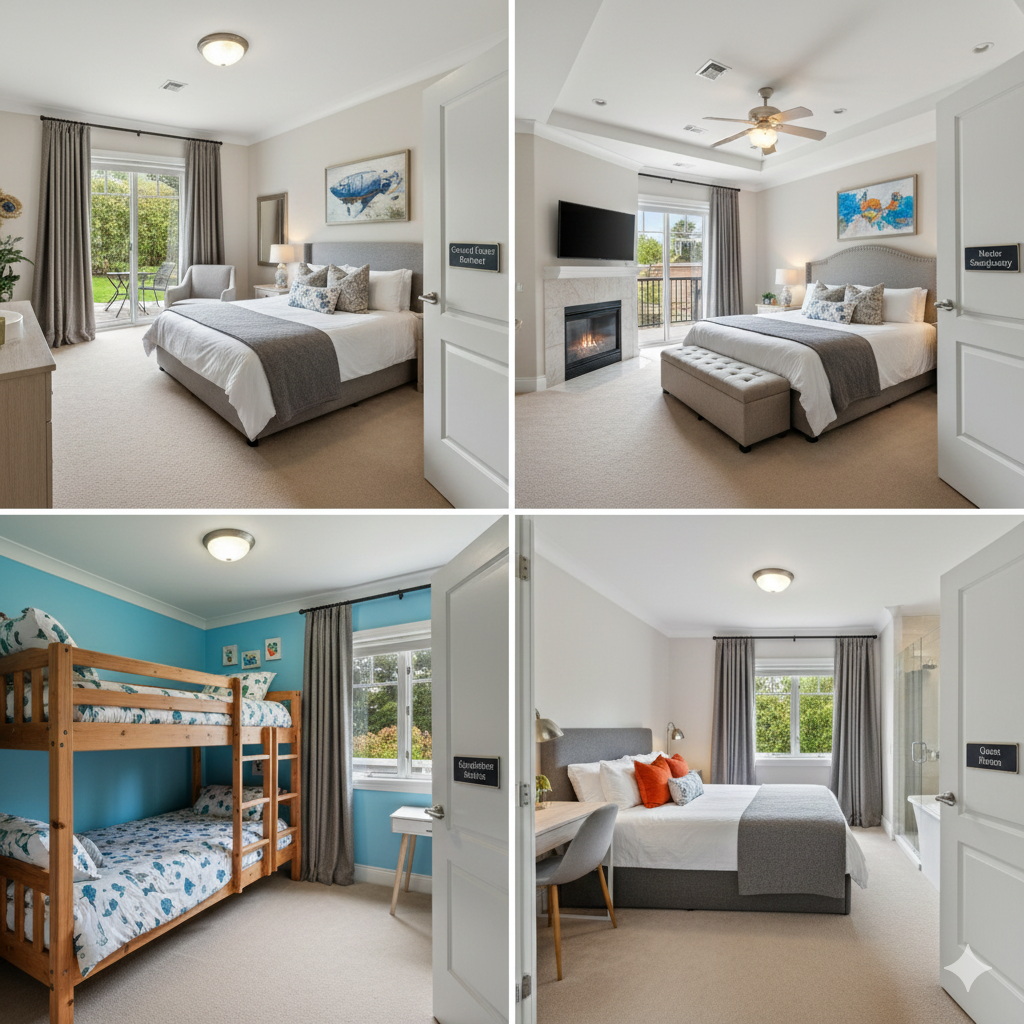
2. Prioritize a Mix of Bedroom Types
Different age groups have different needs when it comes to sleeping arrangements.
Design Tips:
• A ground-floor suite for grandparents to minimize stair use.
• A large master suite for the primary homeowners.
• Kid-friendly bunk rooms that are fun, safe, and space-efficient.
• Guest suites with attached bathrooms for older teens, siblings, or friends.
• Sound-insulated walls to ensure peaceful rest.
This thoughtful mix ensures everyone feels valued and comfortable.
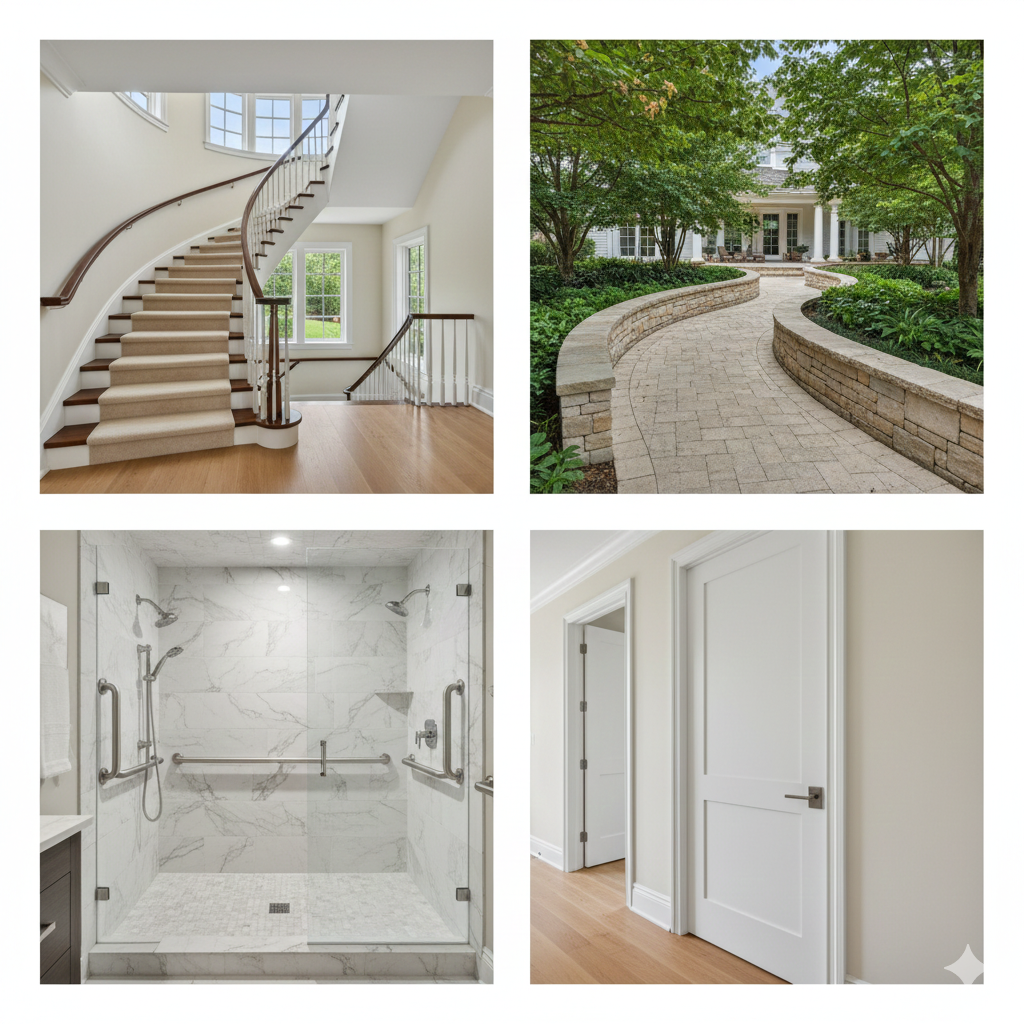
3. Design an Inclusive, Accessible Environment
Accessibility doesn’t have to look clinical—it can feel elegant and seamless.
Key Elements:
• Gentle, wide staircases
• Slip-resistant flooring
• Larger doorways and circulation spaces
• Ramps integrated into landscape pathways
• Curbless showers and grab bars styled to match the interiors
• Lever-style handles instead of knobs
These features help seniors move comfortably while also benefitting families with young children.
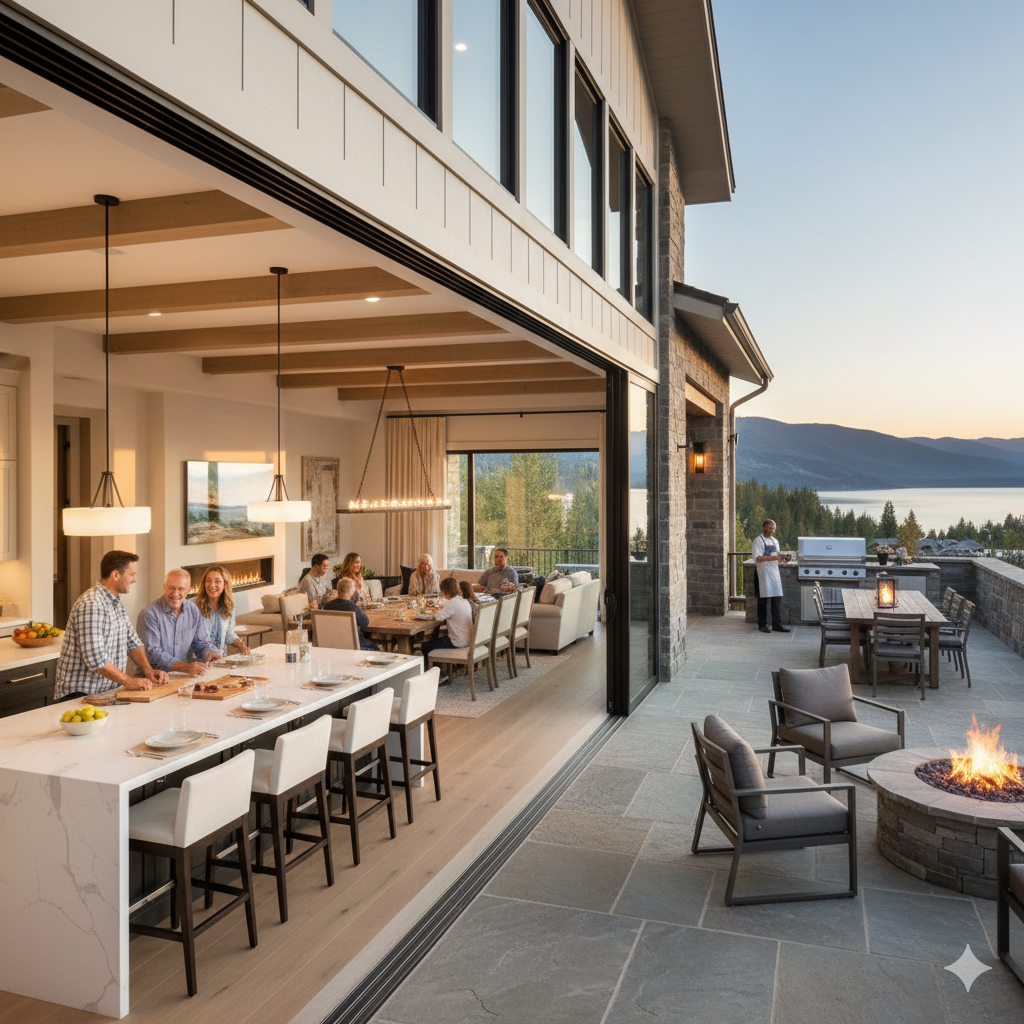
4. Create a Social Center for Gathering
The heart of a multi-generational home is its communal space.
Design Considerations:
• A large open kitchen with generous counters and island seating
• Oversized dining areas, indoors and outdoors
• Spacious living rooms with flexible seating
• Outdoor lounges overlooking nature
• Firepits, BBQ stations, and veranda seating for evening gatherings
Families bond naturally when architecture encourages shared experiences.
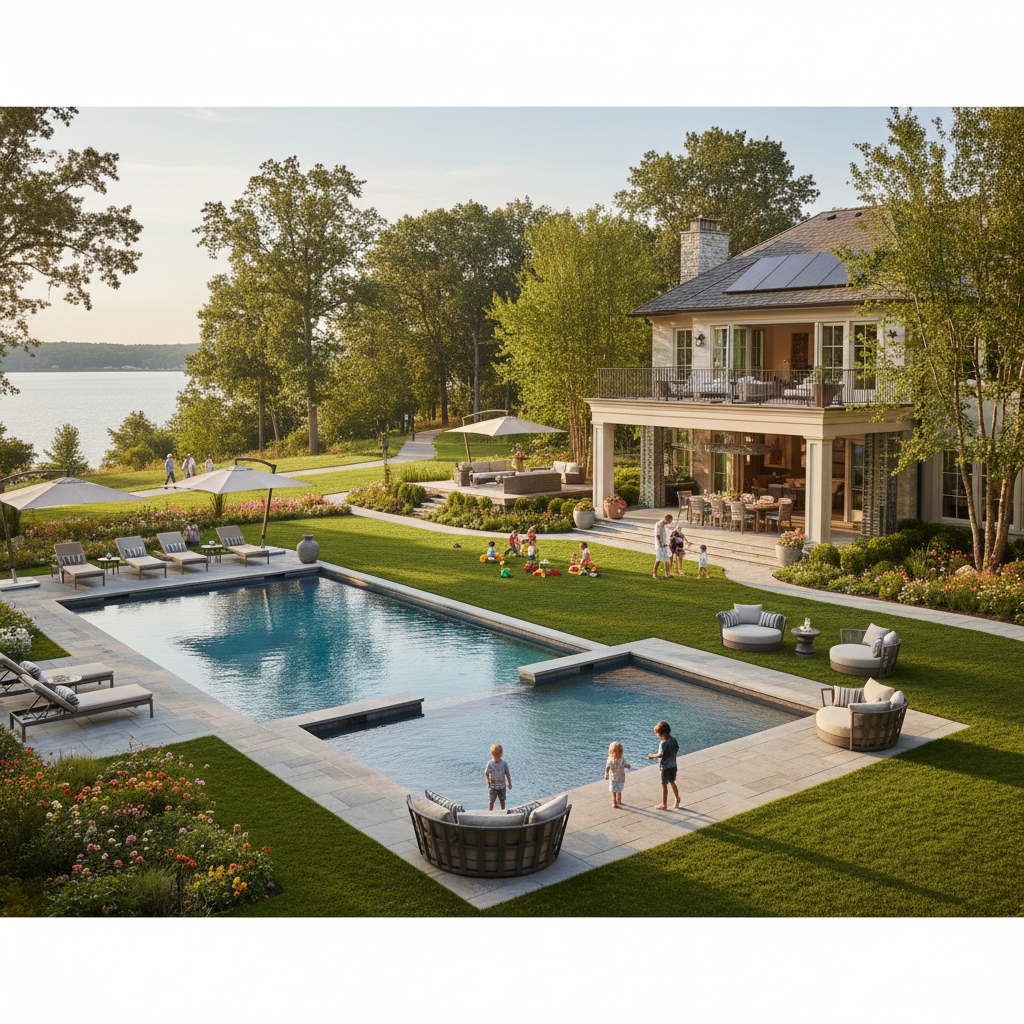
5. Make Outdoor Spaces Functional for All Ages
Outdoor living is essential in a vacation home—and it must accommodate everyone.
Design Ideas:
• Shaded lounging decks
• Kid-safe lawns and play areas
• Gentle pathways for strollers and seniors
• Outdoor dining spaces
• Pools with shallow zones, pool decks, and seating pods
• Covered terraces for all-weather use
Thoughtful outdoor planning turns nature into an extension of the house.
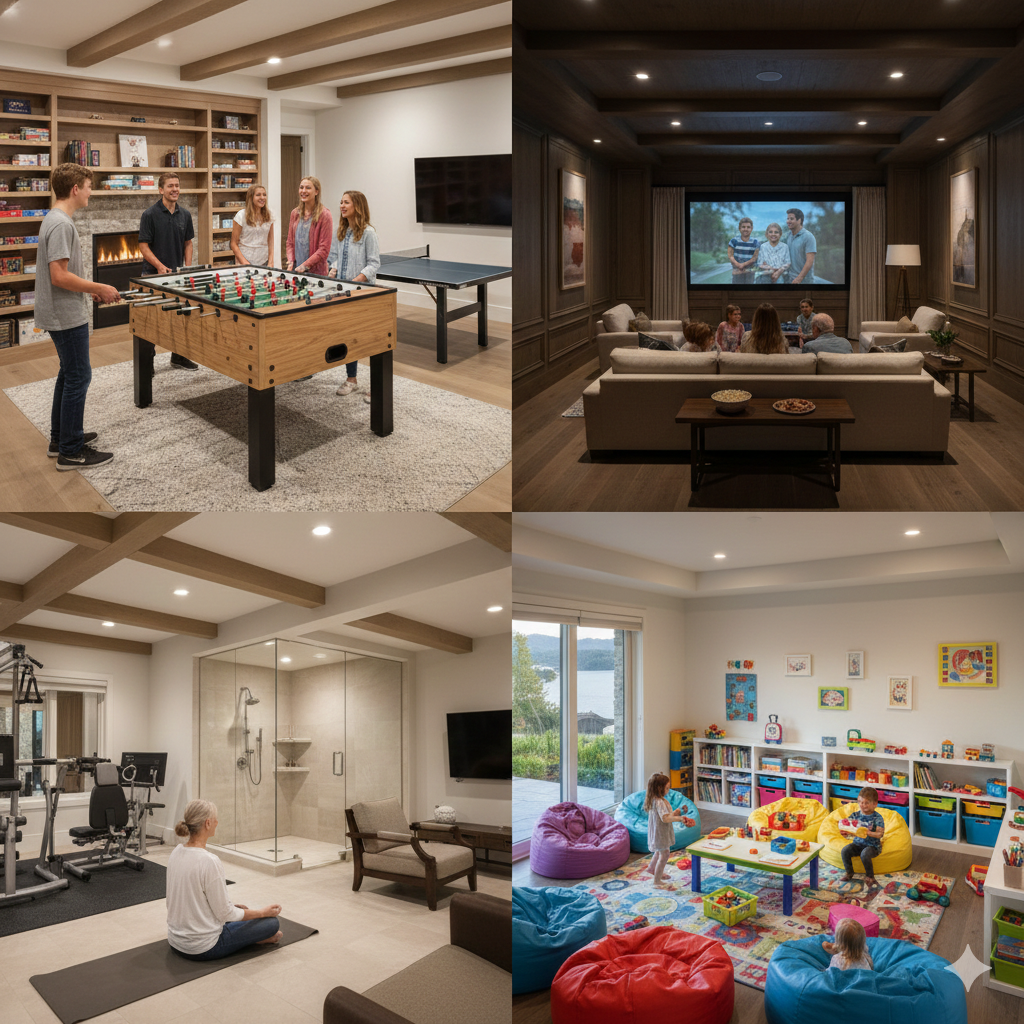
6. Add Entertainment Zones for Different Age Groups
A well-rounded vacation home offers choices for all energy levels.
Options Include:
• A game room (table tennis, board games, foosball)
• A media room for movie nights
• A wellness suite with spa, steam, and gym
• A kids’ activity room
• A quiet library
• A sunset deck or roof lounge for adults
Separate zones allow people to enjoy activities without disturbing each other.
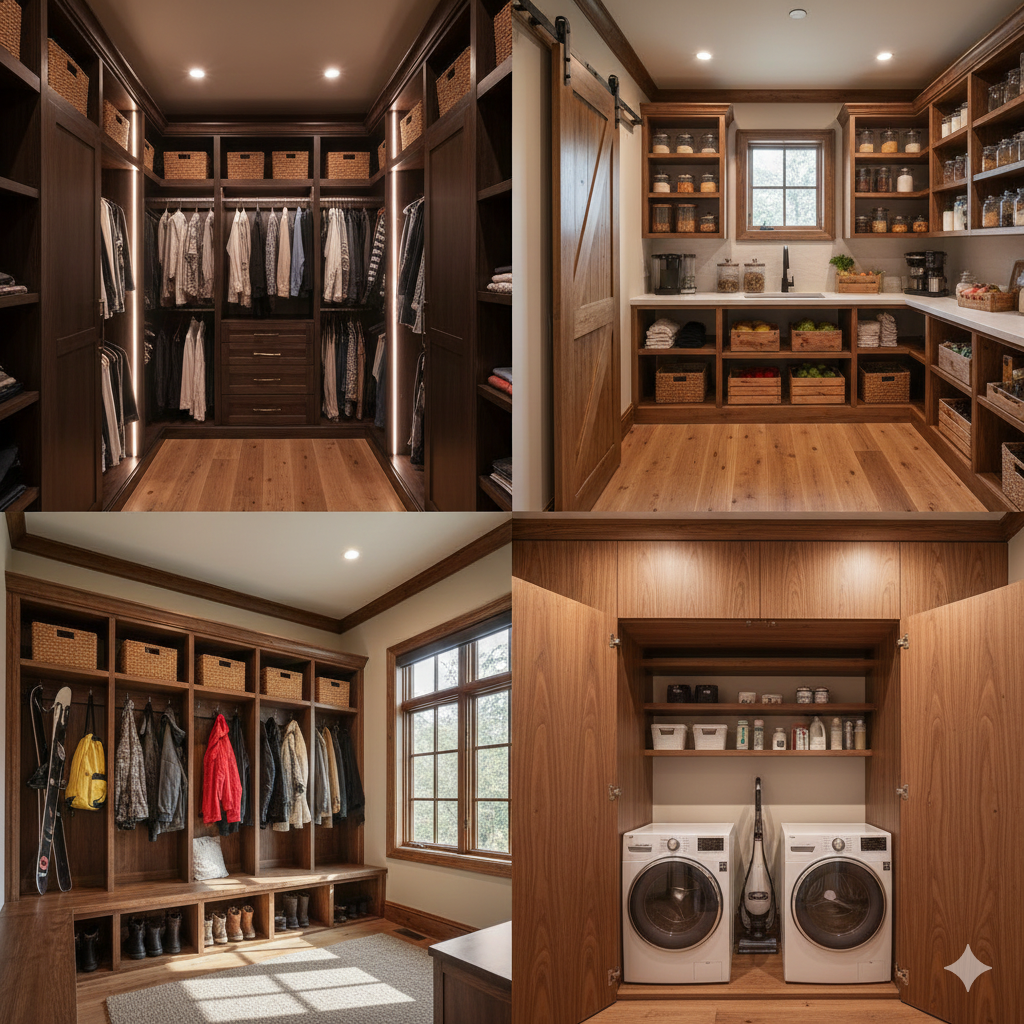
7. Invest in Smart Storage & Organization
A multi-generation home attracts more belongings—luggage, toys, beach gear, winter wear.
Design Essentials:
• Built-in cabinets and wardrobes
• Walk-in storage for seasonal items
• Mudrooms for shoes, wet clothes, and outdoor gear
• Large pantry for extended stays
• Hidden utility and housekeeping spaces
Clutter-free design maintains a sense of calm, no matter how many people are visiting.
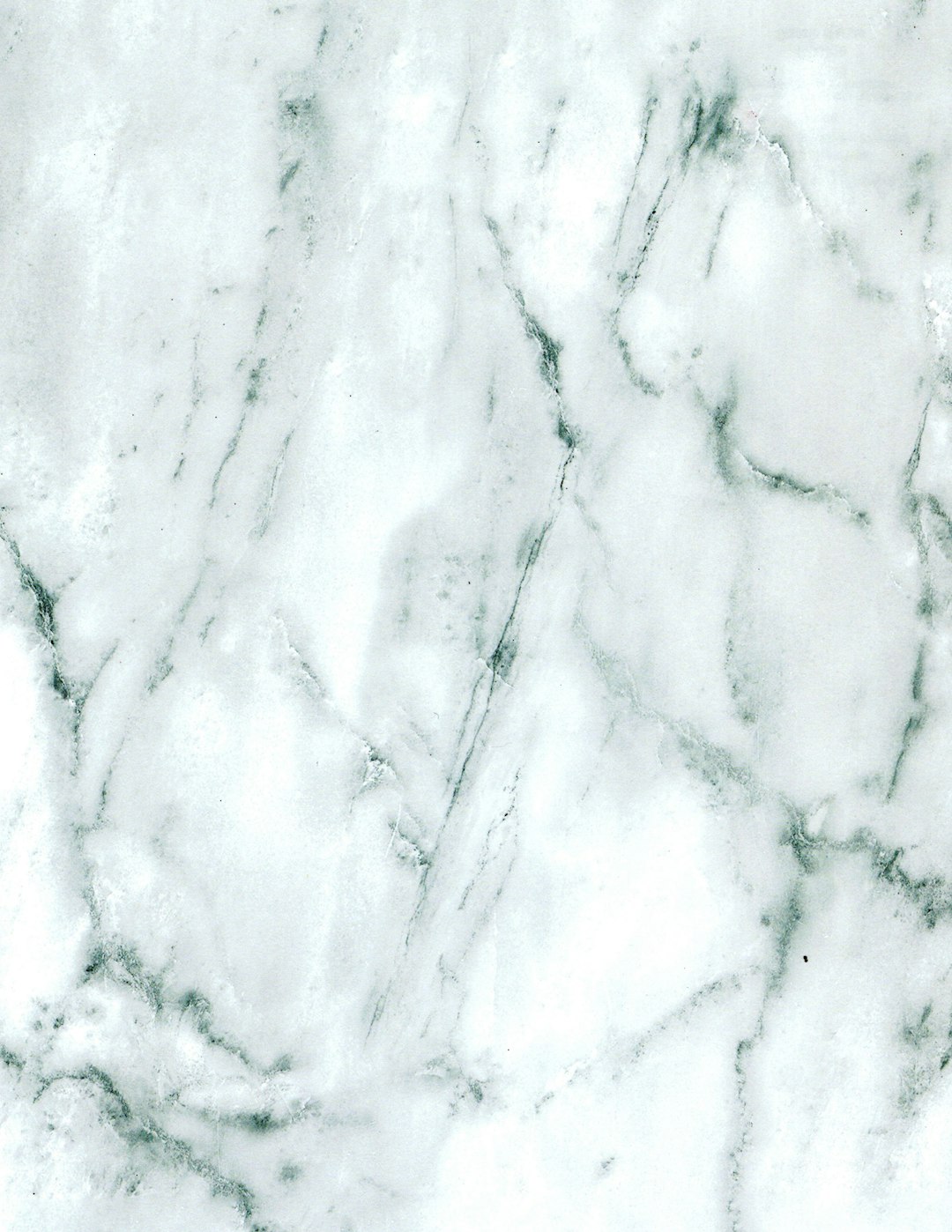
8. Choose Durable, Low-Maintenance Materials
More occupants mean more wear and tear.
Best Choices:
• Engineered stone
• Porcelain tiles
• High-quality, wipeable fabrics
• Durable outdoor materials
• Moisture-resistant finishes
This ensures the home stays beautiful—even with enthusiastic kids and active gatherings.
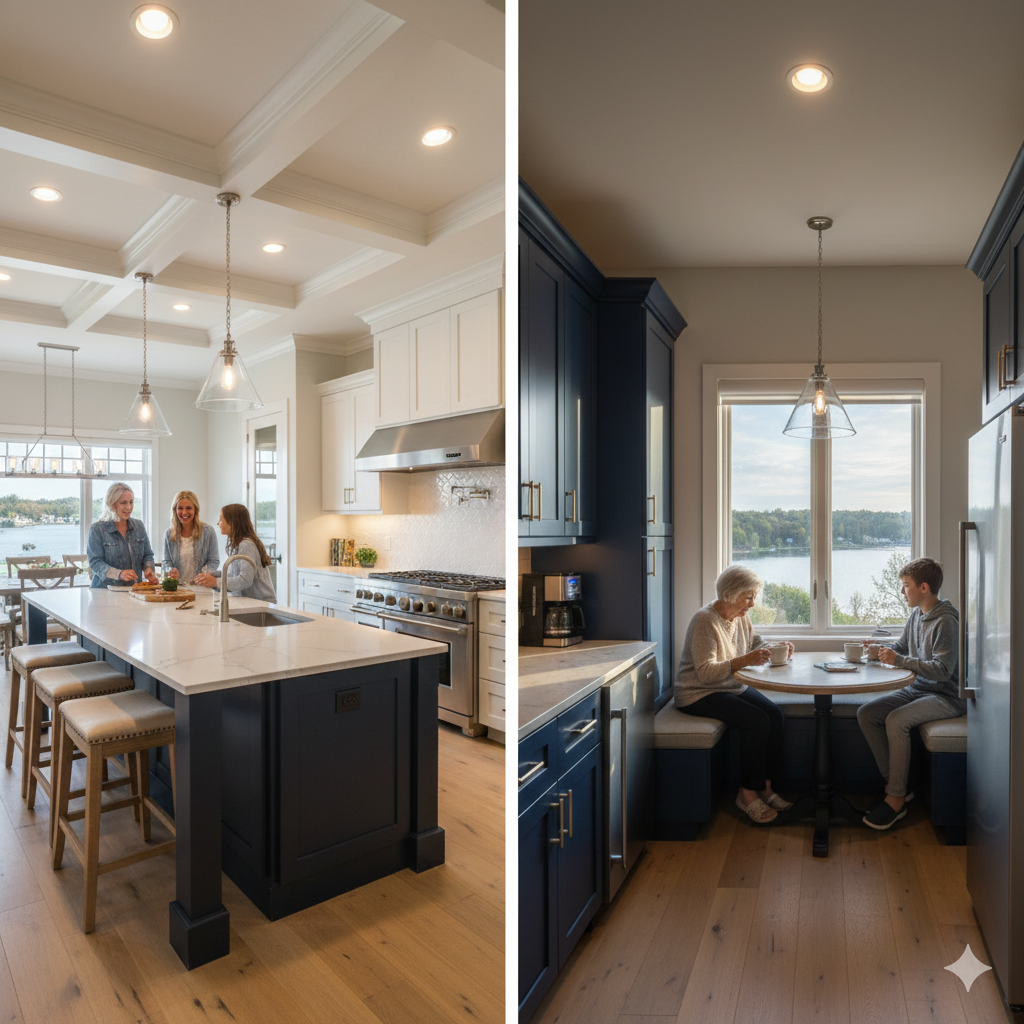
9. Consider Dual Kitchens or Kitchenettes
This is especially helpful for large families or long-term stays.
Benefits:
• A main kitchen for large gatherings
• A secondary kitchenette for early risers or late-night snackers
• Separate prep zones for hired chefs or staff during holidays
This small addition significantly improves convenience and privacy.
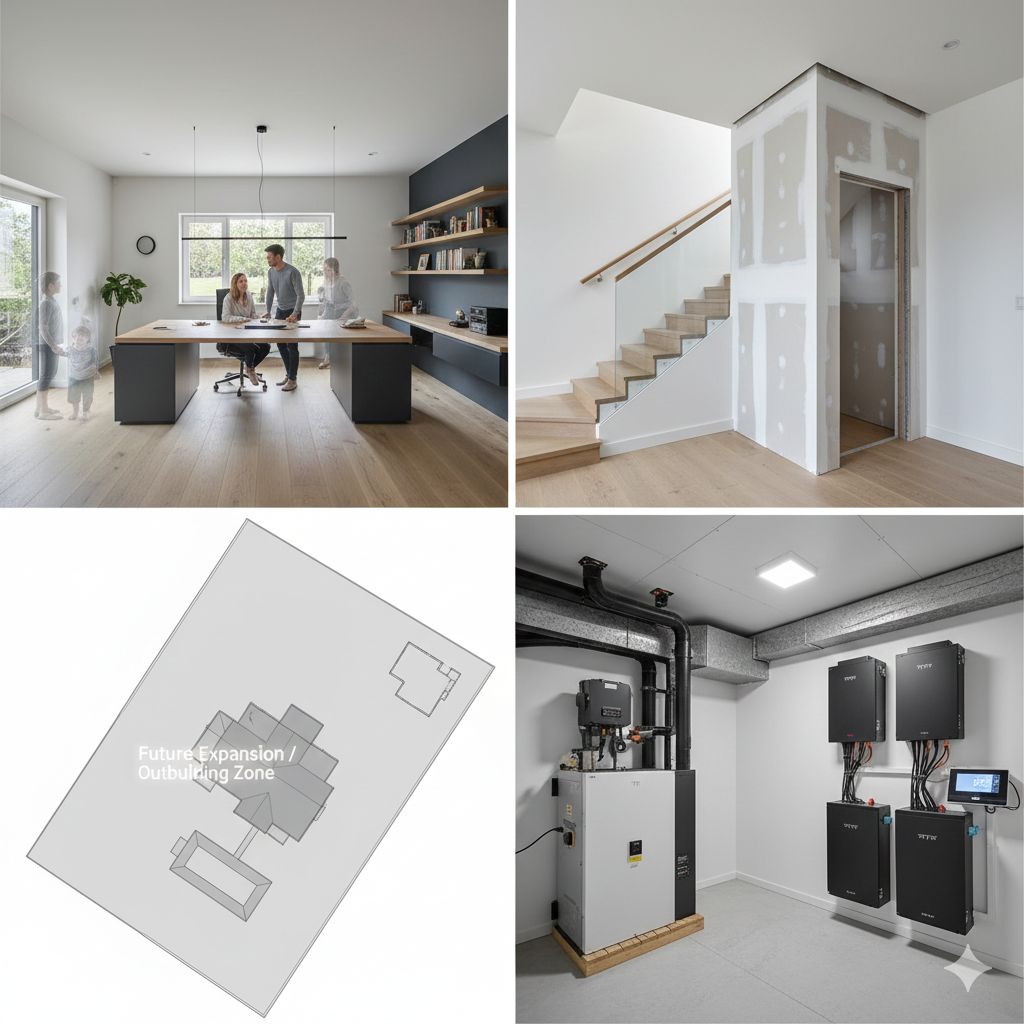
10. Build for the Future, Not Just the Present
Family dynamics change—kids grow up, elders age, families expand.
Future-Proofing Tips:
• Design adaptable rooms
• Include infrastructure for future elevators
• Plan space for expansion or outbuildings
• Use sustainable, long-lasting technologies
A forward-thinking approach makes your home relevant for decades.
A multi-generational vacation home is more than architecture—it’s a legacy. It’s where birthdays are celebrated, cousins bond, grandparents tell stories, and families reconnect with nature and with one another.
By focusing on flexibility, comfort, accessibility, and shared experiences, you can design a home that welcomes every generation with warmth and ease.
It becomes a place where everyone—young and old—feels like they belong.
Now, if You are Interested in building your dream luxury home & if you want to know how is it possible to do it In the most efficient way while having your interests at the forefront, You can click the button below and book a Free Design Strategy Consultation Call to Start your journey towards luxury ownership!

Written by:
Niti Bhabhera
This is a short author bio. You can add information about the author here to help readers learn more about the person behind the content.
Take the first step to develop your dream home!
We process your personal data as stated in our Privacy Policy. You may unsubscribe by clicking the unsubscribe link at the bottom of any of our emails.

© Rhythm Designs LLP. All Rights Reserved