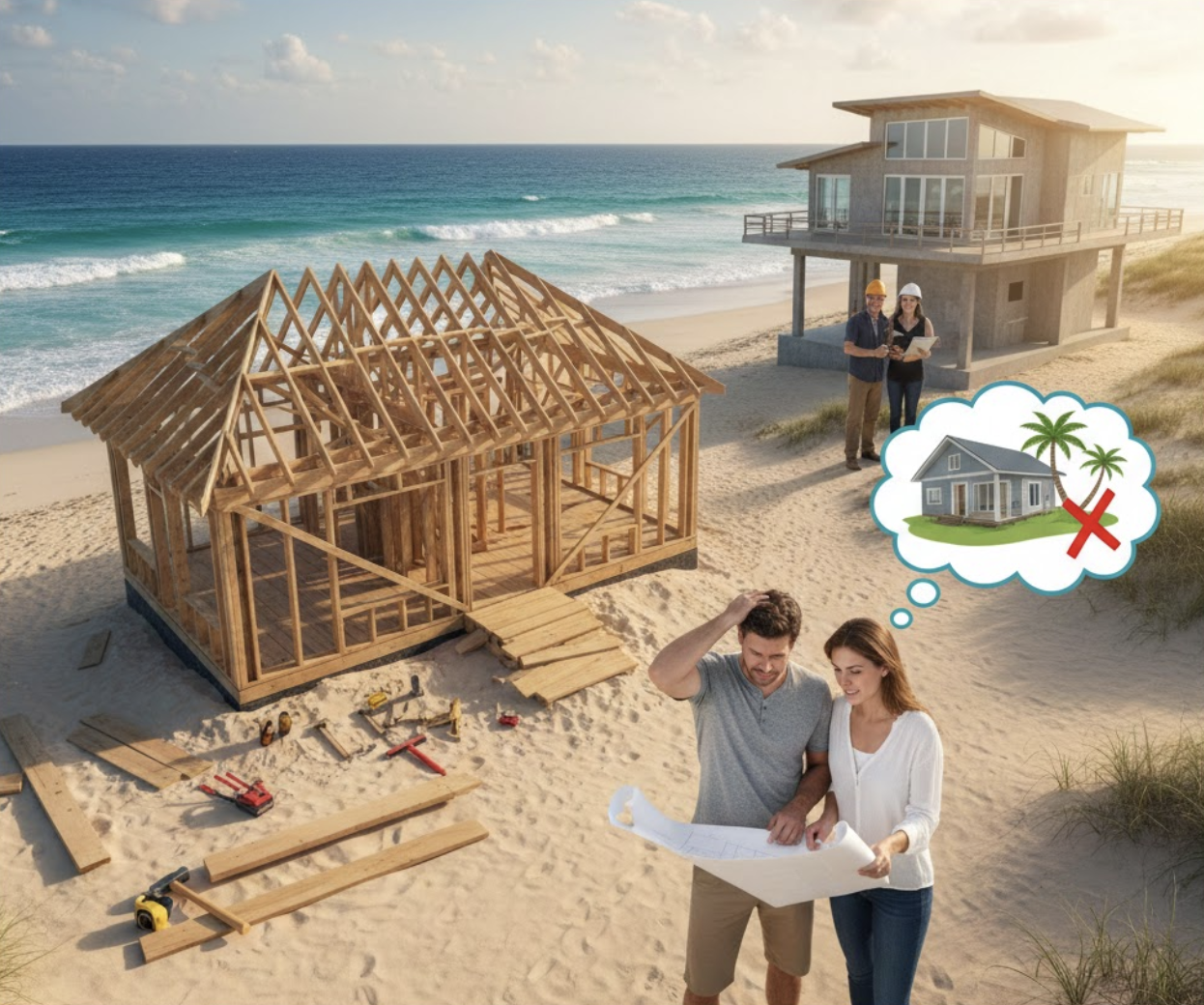
Building a vacation home is an exciting milestone. It’s a chance to create a personal sanctuary: a place for family memories, relaxation, and long-term investment. But the journey from dream to reality can be full of hidden challenges—and many buyers repeat the same costly mistakes.
Whether you’re planning a hill retreat, beach villa, farm stay, or forest hideaway, knowing what to avoid can save you stress, money, and regret later.
Here are the most common mistakes buyers make when building a vacation home—and how you can avoid them with smart planning.
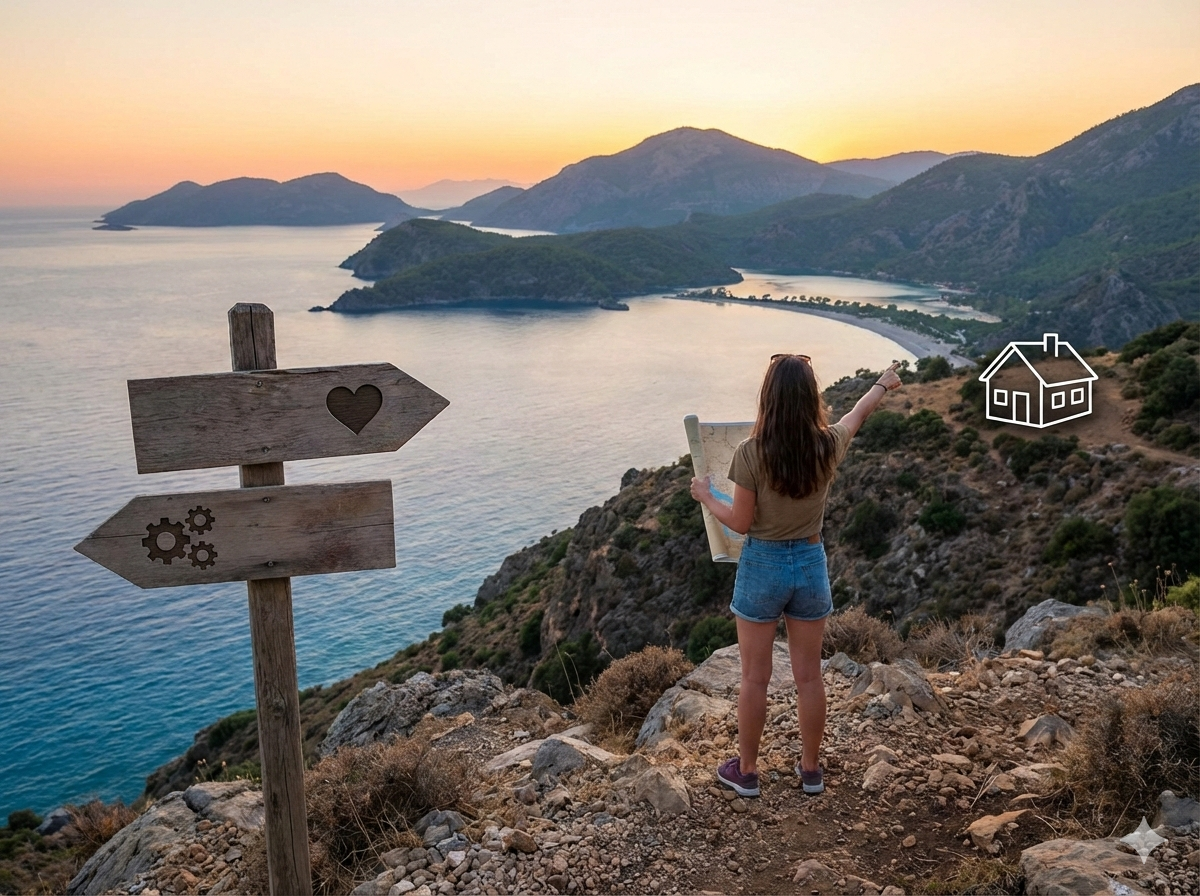
1. Choosing the Wrong Location Based on Emotion, Not Logic
Vacation spots are emotionally appealing, but that doesn’t automatically make them suitable for building.
Common Mistake:
Falling in love with the scenery and ignoring practical issues like access, infrastructure, zoning laws, or environmental risks.
How to Avoid It:
• Research land stability, flood zones, soil quality, and wind patterns.
• Check local building regulations and development restrictions.
• Ensure year-round access, not just seasonal convenience.
• Consider proximity to medical facilities, markets, and service providers.
A perfect view means nothing if the land is complicated or expensive to build on.
2. Underestimating Construction Costs
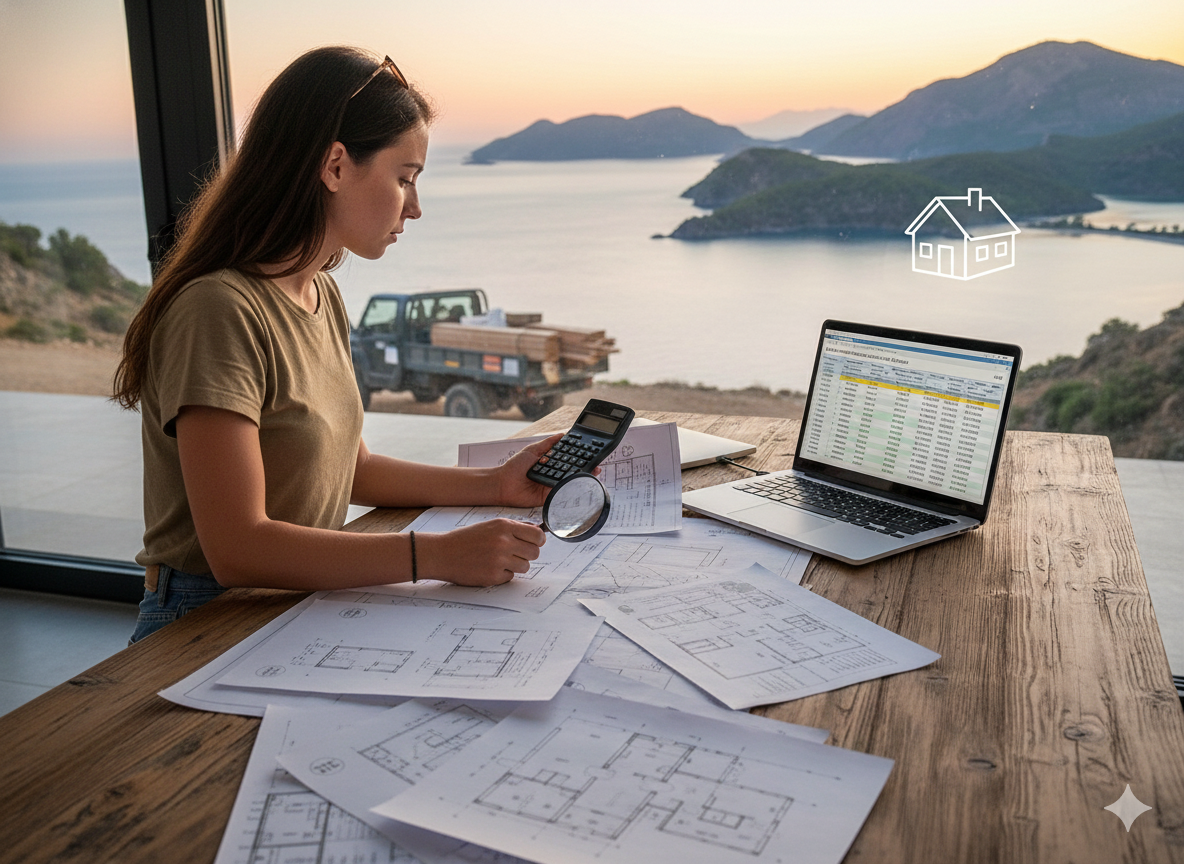
Construction in remote or scenic locations can be significantly more expensive.
Common Mistake:
Planning a budget based only on standard home-building costs, without accounting for terrain, transportation, or special materials.
How to Avoid It:
• Request a detailed cost breakdown before starting.
• Factor in transport logistics, especially for hilly or rural land.
• Allocate a 10–15% contingency budget.
• Choose materials suitable for the environment to reduce long-term maintenance.
A clear financial plan keeps your dream from becoming a financial burden.
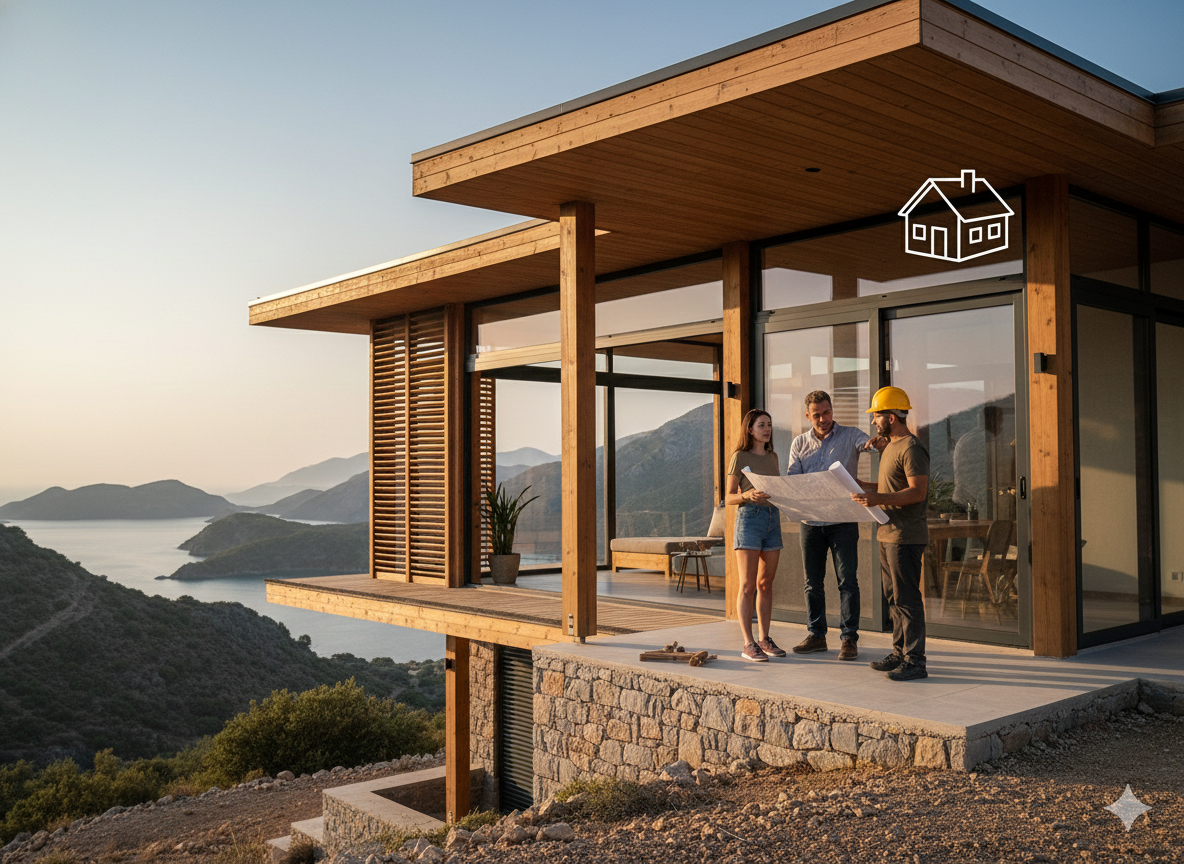
3. Ignoring Climate-Specific Architecture
A design that works in the city may not work in the mountains, on a beachfront, or in the tropics.
Common Mistake:
Using generic or trendy designs without considering climate challenges.
How to Avoid It:
• Opt for architecture that responds to local climate.
• Use cross-ventilation in humid areas, insulation in cold regions, and UV-resistant finishes in sunny zones.
• Incorporate shade structures, overhangs, and wind protection where needed.
Climate-responsive design saves energy and maximizes comfort.
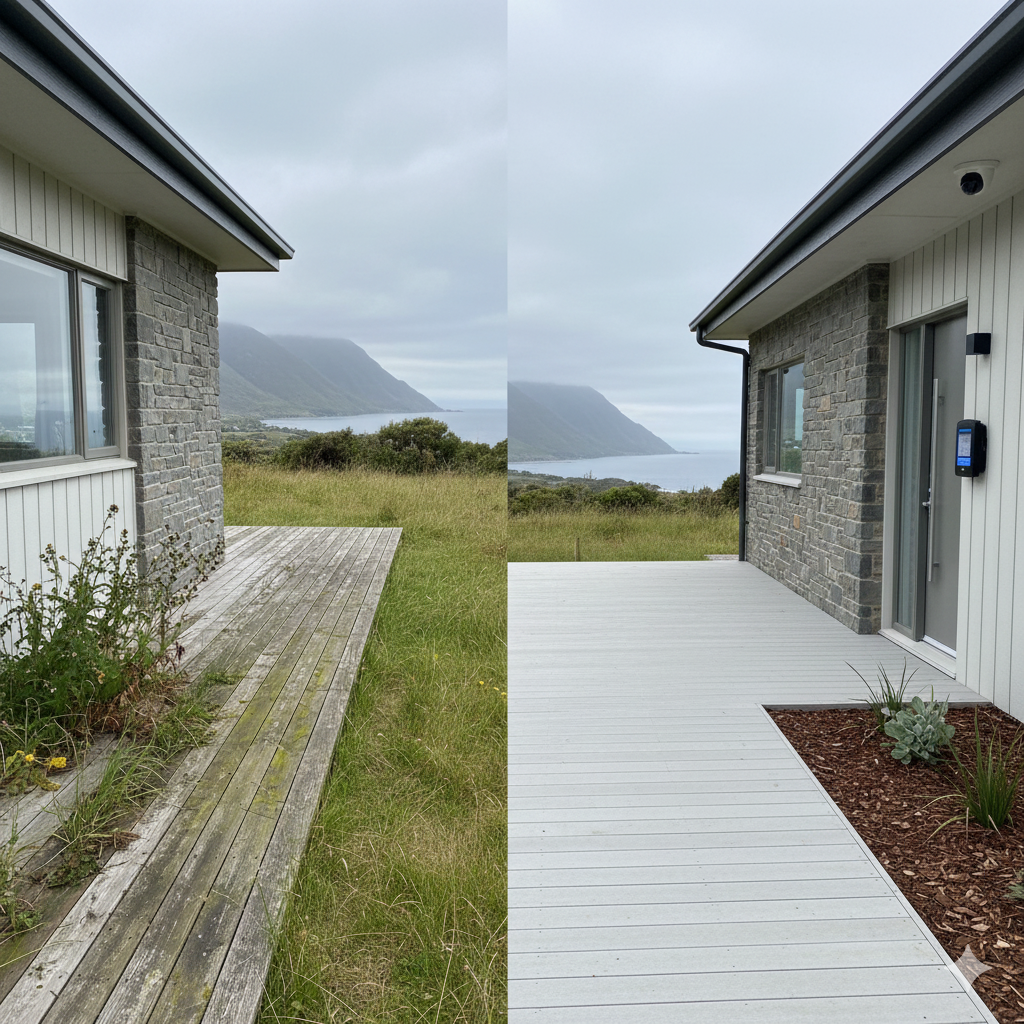
4. Forgetting About Maintenance After You Leave
Vacation homes sit vacant for long periods—and poorly planned homes deteriorate quickly.
Common Mistake:
Choosing designs or materials that require high maintenance or constant repairs.
How to Avoid It:
• Use durable, low-maintenance materials (stone, treated timber, composites).
• Install automated systems for lighting, climate control, and security.
• Simplify landscaping to avoid constant upkeep.
• Consider hiring a local caretaker if the home will be empty for months.
The less maintenance you need, the more you can truly relax.
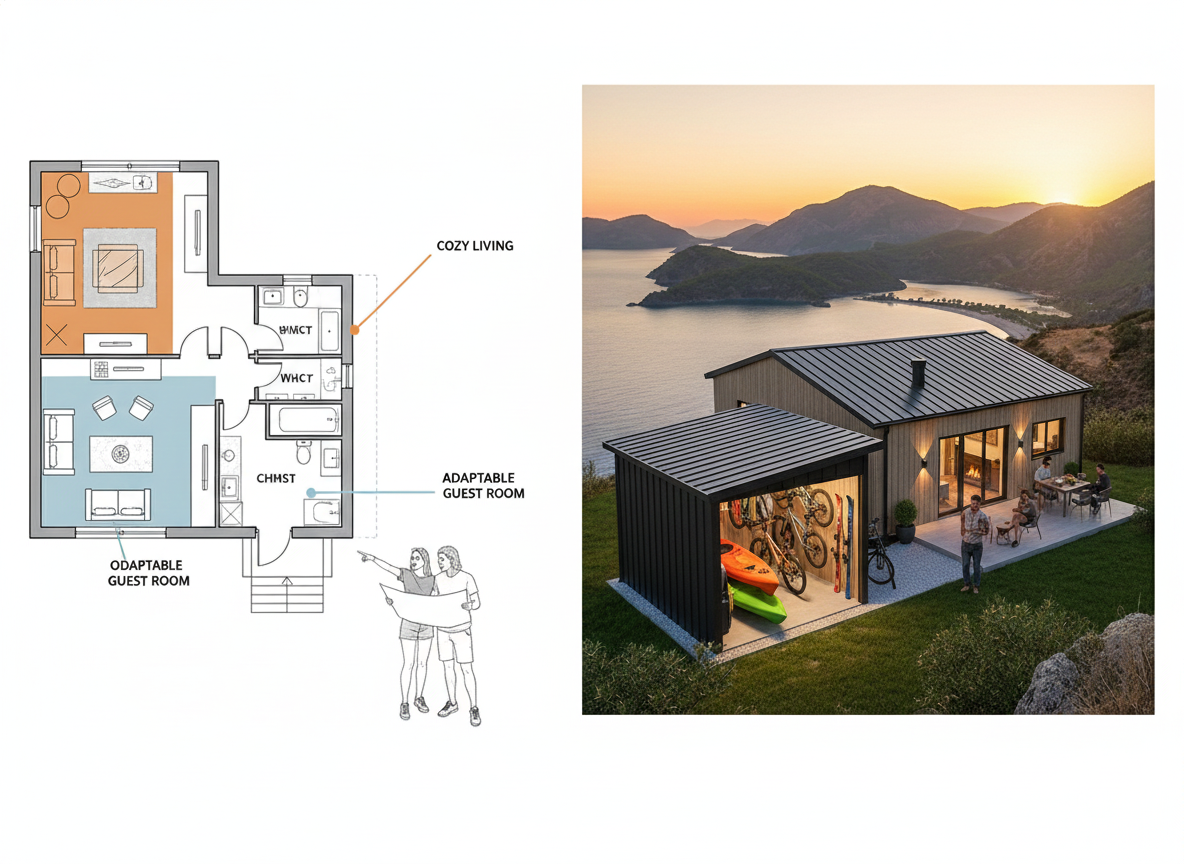
5. Overbuilding or Underbuilding the Space
Buyers often misjudge how much space they actually need.
Common Mistake:
• Overbuilding: Creating oversized rooms or too many bedrooms that inflate costs.
• Underbuilding: Forgetting practical spaces like storage, utility rooms, or staff quarters.
How to Avoid It:
Design around *how you will realistically use the home*, not how you imagine it ideally.
Ask yourself:
• How many people will visit regularly?
• Do you need guest rooms or adaptable spaces?
• Will you entertain often?
• Do you need outdoor storage for gear (kayaks, ski equipment, etc.)?
Balanced planning avoids waste while keeping the home functional.
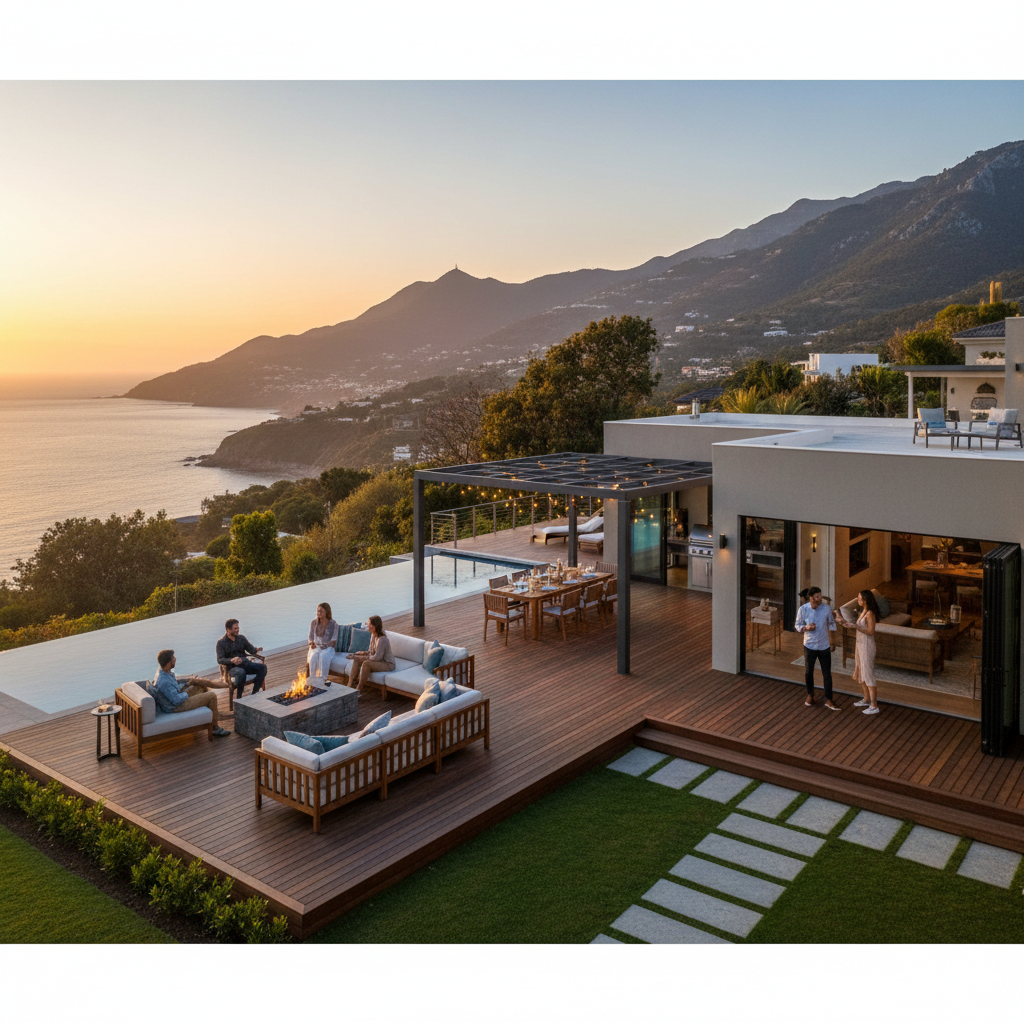
6. Neglecting the Outdoor Experience
A vacation home is as much about nature as the structure itself.
Common Mistake:
Investing heavily in interiors but ignoring outdoor spaces.
How to Avoid It:
Plan for:
• Decks, terraces, or patios
• Outdoor dining and BBQ spaces
• Firepits or lounging zones
• Landscaped pathways
• Infinity pools, plunge pools, or water features (if budget allows)
Outdoor living enhances relaxation and increases property value.
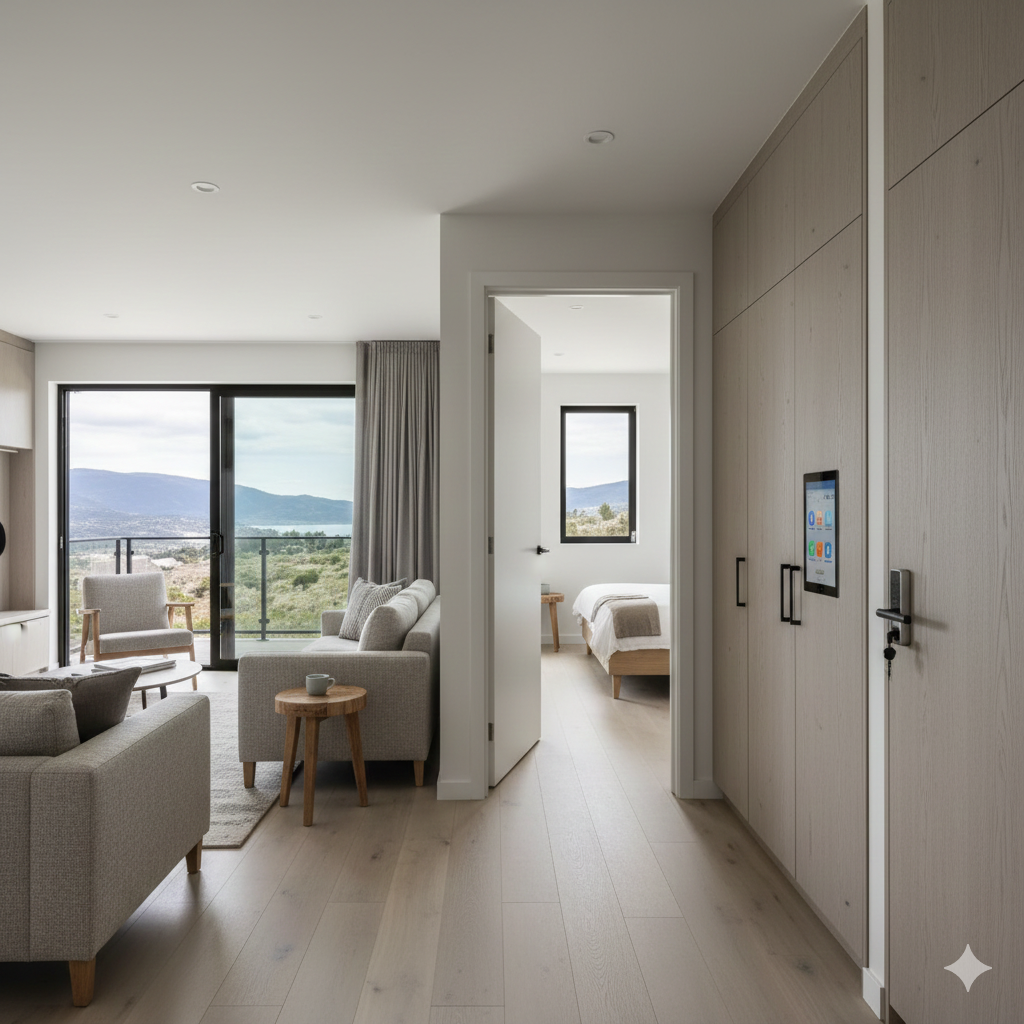
7. Not Considering Rental Potential (Even If You Don’t Plan to Rent Now)
Your lifestyle may change—and renting the home might become useful later.
Common Mistake:
Designing only for personal use, not for guest suitability or rental viability.
How to Avoid It:
• Ensure independent access to guest areas.
• Include lockable storage for personal items.
• Use durable finishes suitable for high traffic.
• Add smart home systems for remote management.
A rental-ready design gives you future flexibility.
8. Skipping Professional Guidance
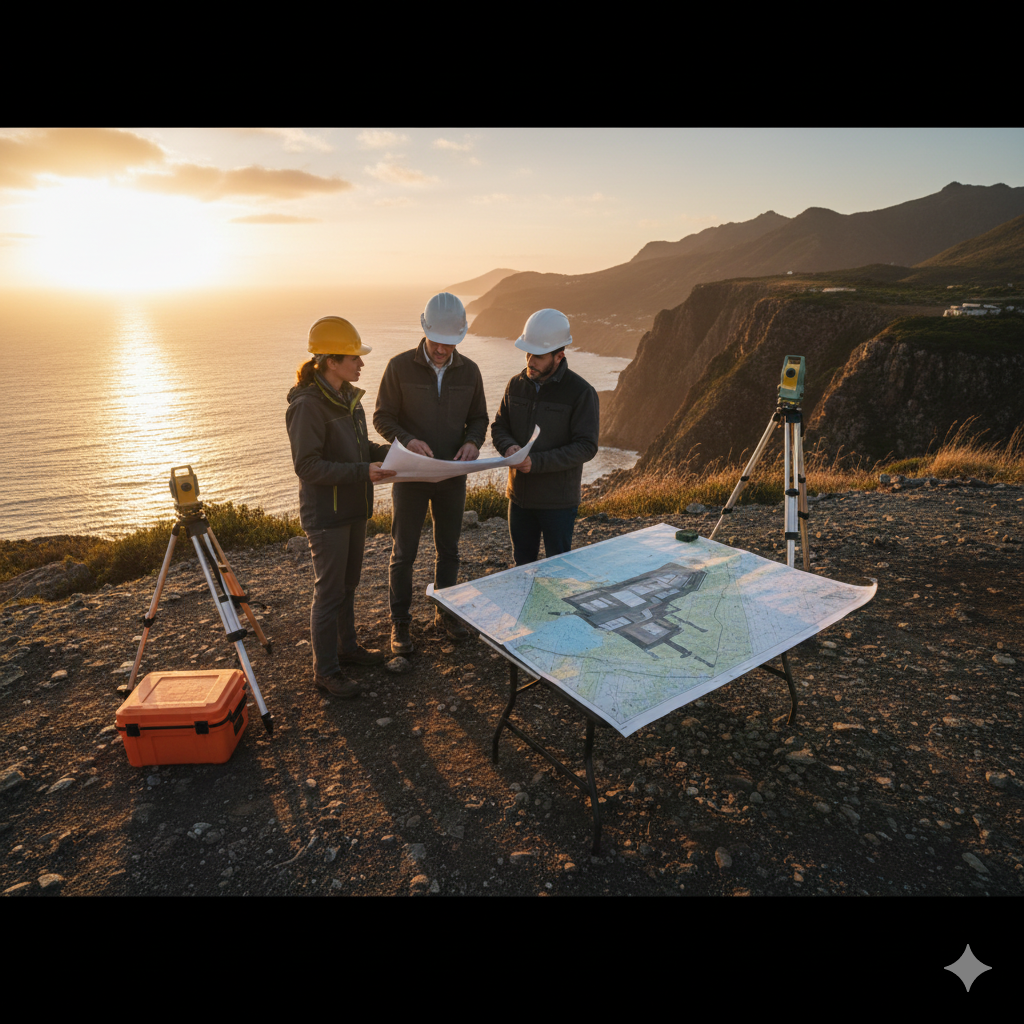
Many buyers rely on contractors alone or use city-based architects unfamiliar with vacation-home terrains.
Common Mistake:
Ignoring the need for specialized architectural input and environmental expertise.
How to Avoid It:
• Hire an architect experienced in second homes, retreats, or difficult terrains.
• Use professionals for structural engineering, drainage design, and landscape architecture.
• Avoid cookie-cutter plans—custom design matters in unique locations.
The right team protects your investment.
9. Poor Planning for Utilities & Services
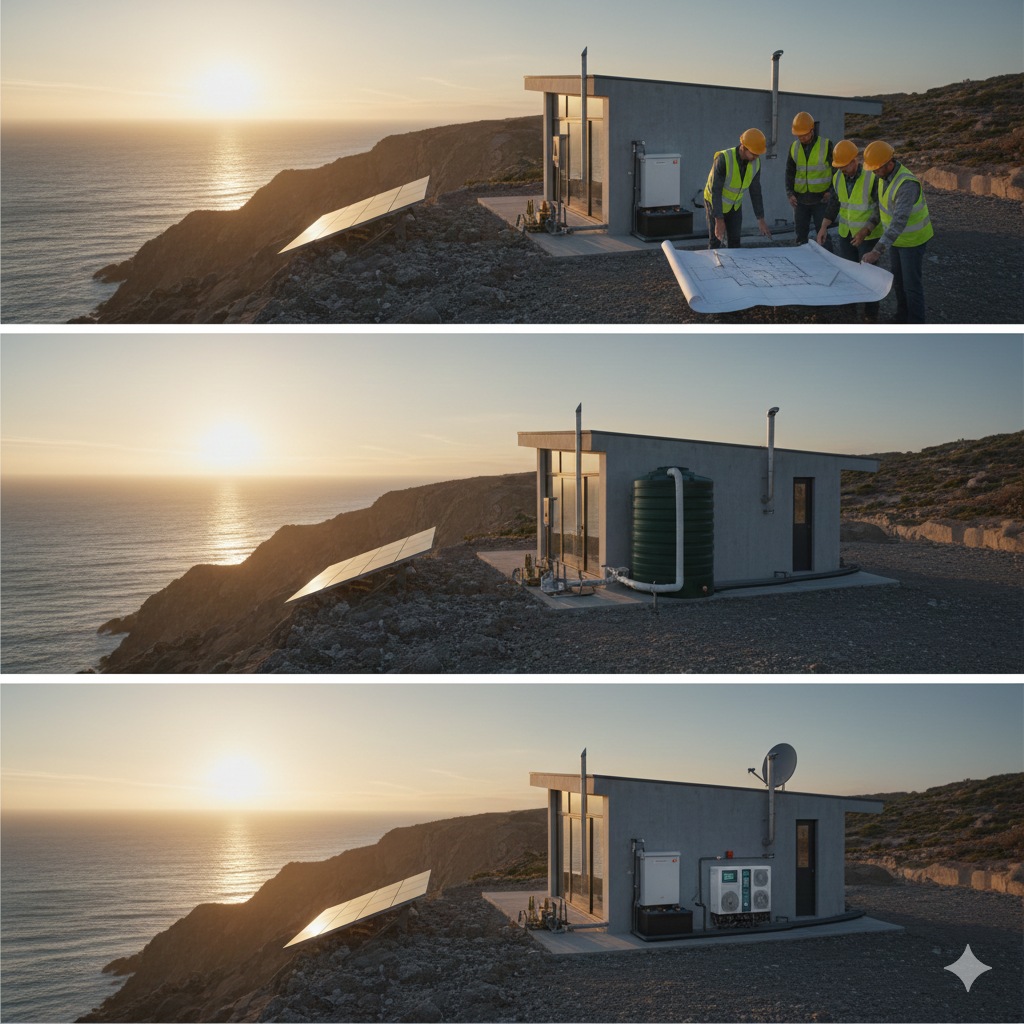
Vacation-home locations often lack easy access to utilities.
Common Mistake:
Assuming electricity, water, internet, and waste management will be straightforward.
How to Avoid It:
Plan for:
• Borewells or rainwater harvesting
• Backup power (solar + battery, generator)
• Sewage and greywater treatment
• Internet solutions suited for remote areas
Utility planning must happen early—not mid-construction.
10. Rushing the Project Due to Excitement
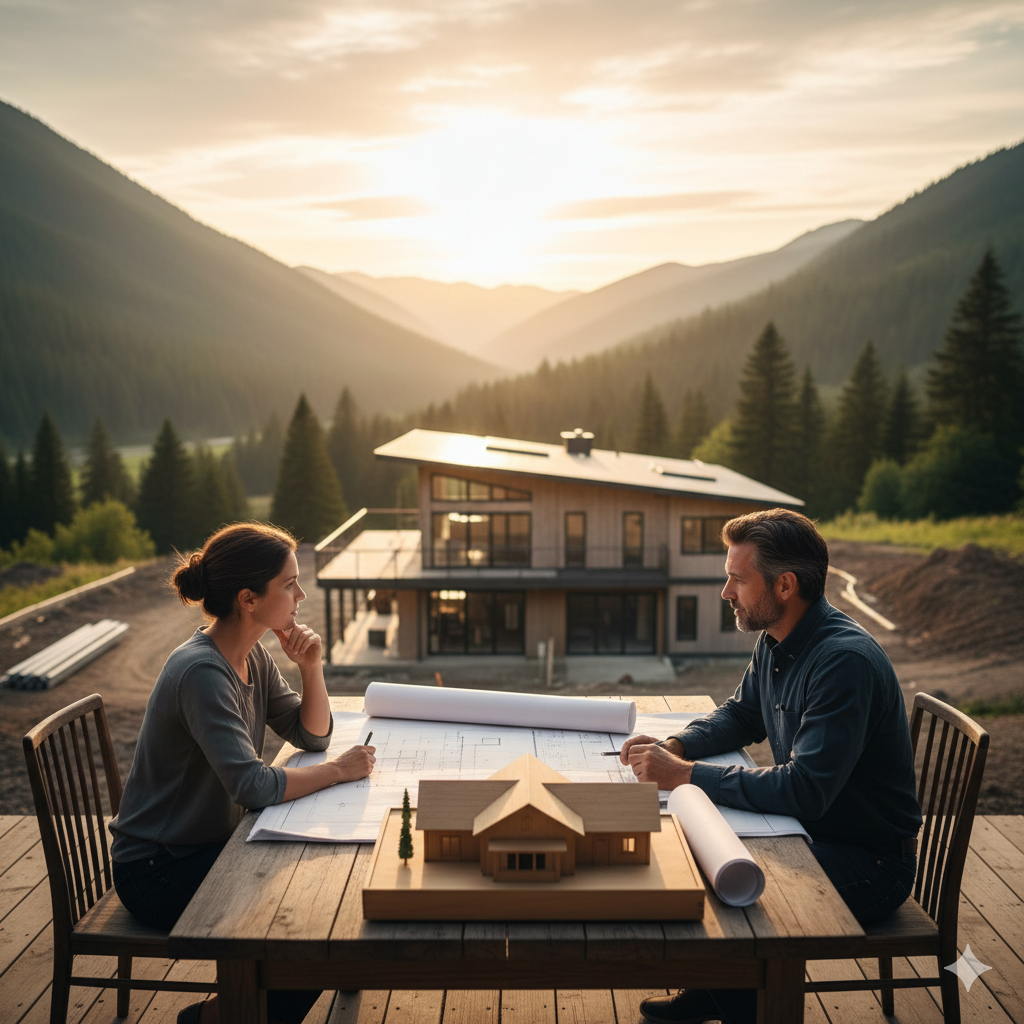
Vacation home builds require patience.
Common Mistake:
Fast-tracking construction decisions and compromising long-term quality.
How to Avoid It:
• Finalize the design before starting construction.
• Review structural details thoroughly.
• Visit the site regularly.
• Avoid impulsive changes during construction.
A well-paced project ensures fewer errors and better results.
Building a vacation home isn’t just a purchase—it’s an experience, an investment, and often a lifelong dream. Avoiding these common mistakes will help ensure your retreat is:
✨ Comfortable
✨ Durable
✨ Beautiful
✨ Low-maintenance
✨ Aligned with your lifestyle
With the right planning and guidance, your vacation home becomes a place that supports joy, relaxation, and lasting memories.
Now, if You are Interested in building your dream luxury home & if you want to know how is it possible to do it In the most efficient way while having your interests at the forefront, You can click the button below and book a Free Design Strategy Consultation Call to Start your journey towards luxury ownership!

Written by:
Niti Bhabhera
This is a short author bio. You can add information about the author here to help readers learn more about the person behind the content.
No posts found...
Take the first step to develop your dream home!
We process your personal data as stated in our Privacy Policy. You may unsubscribe by clicking the unsubscribe link at the bottom of any of our emails.
© Rhythm Designs LLP. All Rights Reserved